
Where Is the Air Intake in a Car and How to Locate It
Your engine depends on air as much as fuel, yet most drivers have no idea where it actually enters the car. So, where is the air intake in a car? Finding it isn’t always obvious, and its location can affect performance and maintenance. Comprehending where to look, and why it matters, can help you spot problems before they impact your engine.
Engine care guidance at car air filter replacement in Brooklyn.
TL;DR:
The air intake system brings clean outside air into the motor so it can mix with fuel for combustion. It typically starts near the front of the car by the grille or bumper, passes through the filter housing, travels along input ducts, and ends at the throttle body. Tracing this path under the hood helps drivers locate the intake, understand flow, and perform basic maintenance or diagnostics.
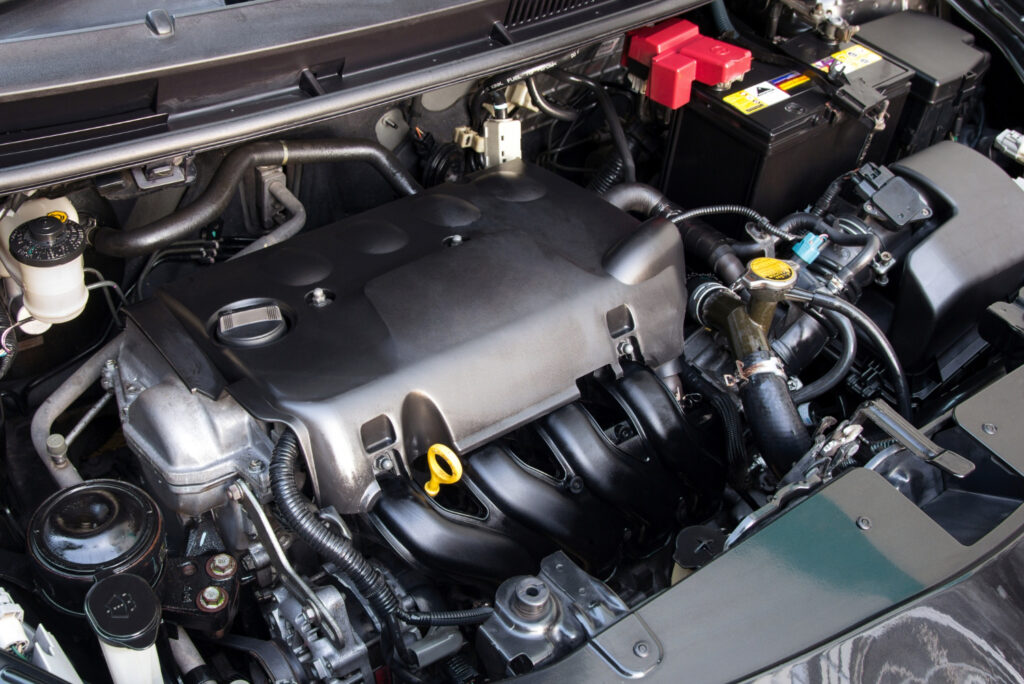
How to Identify the Air Intake in Your Car Engine
The intake system is a fundamental part of how a car’s internal combustion engine operates. Its role is to draw outside air into the engine, where oxygen mixes with fuel and ignites to produce power. If the input is not functioning properly, the engine cannot run efficiently, which can lead to reduced performance, poor fuel economy, or potential motor damage caused by unfiltered contaminants entering the cylinders. The system typically begins with an external opening and includes components such as the filter, input ducts, sensors, and the throttle body.
Comprehending where the intake is located helps with routine maintenance and basic diagnostics. In most vehicles, the input pulls air from areas designed to provide cooler, cleaner flow—commonly near the front of the vehicle around the grille or bumper area. From there, it is channeled through the intake components and into the engine, making the input system relatively easy to trace once you know where to look.
Inspecting the Front of the Engine Bay
When you open the hood, the front of the motor bay—near the grille or bumper—is the first area to inspect when locating the intake. This position allows the engine to draw in cooler, denser outside air while the vehicle is moving, which is ideal for efficient combustion.
On many modern vehicles, the input opening can be subtle. It may appear as a small grille-like slot or hidden opening behind the front bumper rather than a clearly exposed part. This opening typically connects to a series of plastic or rubber tubes that guide incoming air toward the engine’s filter housing. In some performance-focused designs, the intake path may be more visible, featuring a scoop or defined duct to improve flow.
Starting your inspection here helps you understand where the motor sources its air and provides a clear reference point for tracing the intake system back to related components, such as the filter and input ducts.
Tracing the Air Filter Housing
Once you’ve identified where outside air enters the motor bay, the next step is to trace it to the filter housing. This component is an essential reference point in the intake system and helps you understand how it is cleaned and routed before reaching the engine.
- Locating the housing:
The filter housing (air box) is typically a large plastic or metal box near the front or side of the engine bay. It is designed to enclose and protect the filter. - Purpose of the filter:
Inside the housing, the filter traps dust, dirt, pollen, and other debris to keep contaminants from entering the engine. - Filter design and effectiveness:
Most modern filters are pleated paper elements in a sealed box, capable of capturing particles as small as 1 to 5 microns. - Why it matters:
Finding the filter housing means you’ve located the core of the intake system, where clean air is prepared before being delivered to the motor for combustion.
Following the Intake Ducts
Once you’ve located the filter housing, the next step is to follow the input ducts that carry filtered air toward the engine. These ducts are typically plastic or rubber tubes and often include flexible, accordion-like sections that allow for motor movement without breaking the flow path.
The intake ducts play several important roles in the input system:
- Directing flow: They channel clean, filtered air from the filter housing to the throttle body, where it enters the engine.
- Housing sensors: Many ducts contain sensors, such as the Mass Air Flow (MAF) sensor, which measures how much of it is entering so the engine control unit can balance fuel and air correctly.
- Smoothing flow and reducing noise: Built-in resonators help stabilize flow and minimize intake noise during operation.
As you trace these ducts, note that they often bend and route around other motor components. Carefully following them visually helps you understand the complete path taken from outside the vehicle to the point where it enters the engine for combustion.
Locating the Throttle Body Connection
As you continue following the intake ducts, they will eventually lead to the throttle body, one of the most important junctions in the input system. The throttle body is typically positioned between the input ducting and the input manifold, which distributes it to each individual motor cylinder.
Inside the throttle body is a butterfly valve that opens and closes to control how much of it enters the engine. This movement corresponds to driver input from the accelerator pedal. In many modern vehicles, this valve is controlled electronically through a drive-by-wire system rather than a direct mechanical cable.
Visually, the throttle body is usually easy to spot. It appears as a round, metal housing with a large circular opening and often has multiple sensors and electrical connectors attached to it. Identifying this component helps clarify where the intake system shifts from flow routing to active engine control.
Confirming the Air Intake Position
After completing the earlier inspections, you can confirm the intake position by identifying the flow path from the input opening, through the filter housing, along the intake ducts, and into the throttle body. This system is designed to deliver clean, controlled air needed for proper combustion.
A simple way to verify this is to follow the filter housing cover and trace it to the throttle body connection. While routing can vary between vehicles, the basic flow progression remains consistent across modern engines.
By the end of this process, you should have a clear visual understanding of where the intake begins, how it moves through the system, and where it enters the motor for combustion.
Key Takeaways.
- The input system supplies oxygen for combustion and is essential to motor performance.
It draws outside air into the engine, where it mixes with fuel to create power. If the intake system is compromised, efficiency, fuel economy, and engine health can suffer. - Most intakes begin at the front of the vehicle near the grille or bumper.
This location allows the motor to pull in cooler, denser air while driving. The opening may be subtle and often connects to hidden tubes leading into the engine bay. - The filter housing is the central reference point of the input system.
It contains the filter, which traps dirt and debris before it reaches the engine. Finding the air box helps you understand where the clean one is prepared for combustion. - Intake ducts route and manage flow between the filter and the engine.
These tubes guide air to the throttle body, house sensors, and reduce noise. Tracing them shows the complete flow path from outside the car to the engine. - The throttle body marks where flow becomes actively controlled.
It regulates how much air enters the engine based on driver input. Following the input path from opening to throttle body confirms the intake’s location and function.
FAQs:
Where is the air intake on a car?
The intake is usually located near the front of the engine bay, close to the grille or bumper. It enters through an opening, passes into the filter housing, then travels through input ducts to the throttle body.
What are signs of a bad air intake?
Common signs include reduced engine power, poor fuel economy, rough idling, sluggish acceleration, and unusual engine noises caused by restricted or unfiltered flow.
What is the air intake on a car?
The intake is the system that draws clean outside air into the engine. It includes the input opening, filter, ducts, sensors, and throttle body, all working together to supply it for combustion.
Can you drive with a broken air intake?
You may be able to drive short distances, but it’s not recommended. A broken intake can allow dirt and debris into the engine, reduce performance, increase fuel use, and potentially cause engine damage over time.
You May Also Like:
Which Car Air Filter is Best for Your Vehicle?
Does the Air Filter Affect Car AC? What You Need to Know
How Often Should Car Parts Be Replaced?
Reviewed by Carlos Jimenez – Mechanic