
How to Maintain Brake Calipers for Longevity
If you’ve ever wondered how to maintain brake calipers? and why this often-overlooked task can make or break your vehicle’s braking performance, you’re not alone. Calipers quietly endure extreme heat and pressure, yet many drivers don’t realize how easily they can fail without proper care. In this article, we’ll uncover the essential steps that keep calipers working smoothly and extend their lifespan.
Review top Brake repair in Brooklyn choices.
TL;DR:
Brake caliper maintenance involves regularly inspecting brake pads, cleaning calipers to remove dirt and corrosion, and lubricating pins and slides to ensure smooth movement. Technicians also check pad thickness, piston operation, and hardware condition to prevent uneven wear and drag. After servicing, the system is reassembled and tested through road and static checks to confirm safe, even braking performance.
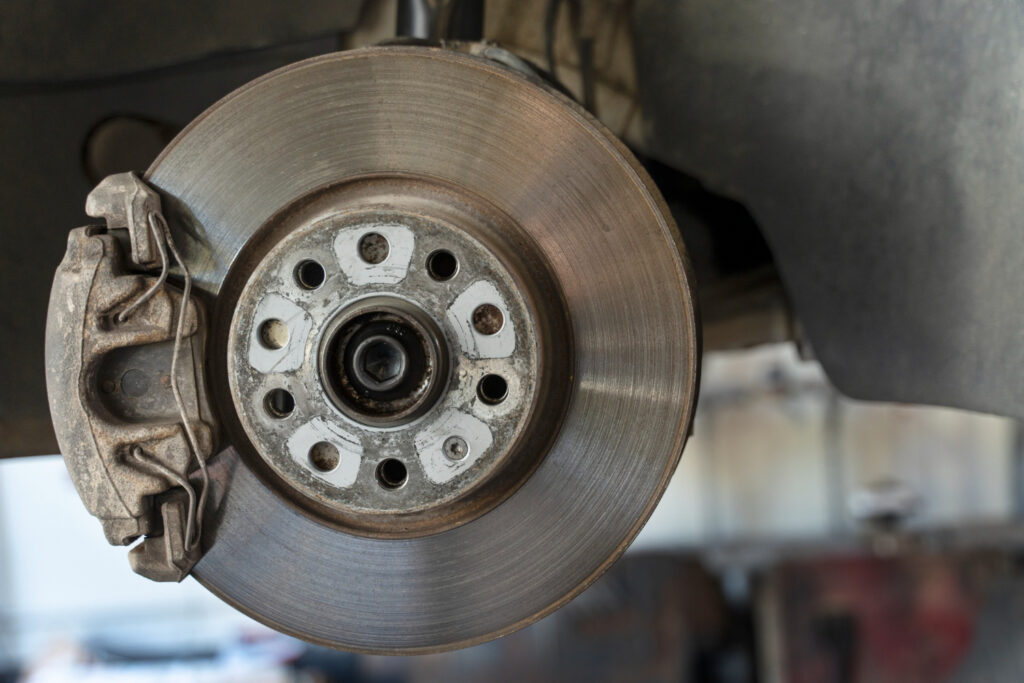
How Often Should Brake Pads Be Checked?
Brake-pad lifespan varies widely depending on driving style, vehicle type, and operating environment, so there is no universal replacement interval. As a practical guideline, the pads should be visually inspected every 6–12 months or 6,000–12,000 miles. Inspections should also be performed immediately if you notice squealing, increased stopping distance, pedal vibration, or dashboard brake warnings.
Heavier driving conditions shorten pad life and require more frequent checks. Industry studies and service recommendations consistently highlight that pad wear is highly variable, meaning it should be monitored regularly rather than assumed.
Calipers Are Cleaned to Remove Dirt
The calipers naturally accumulate road grime, brake dust, and corrosion, and if these contaminants remain on the caliper faces, abutments, or piston areas, they can lead to uneven pad wear, sticking, or reduced braking efficiency. To prevent these issues, calipers are cleaned as part of routine maintenance.
Cleaning typically involves removing the caliper or opening it enough to access internal surfaces, brushing away loose dirt and dust, and cleaning the abutment flats and piston faces with an appropriate brake cleaner. Care is taken to avoid getting cleaner on the friction material or rubber seals, as service manuals emphasize keeping these components free from contamination while ensuring all metal surfaces that guide the pads are thoroughly cleaned.
Pins and Slides Are Lubricated
For brake calipers to move smoothly and apply even pressure, their pins and slides must stay clean and properly lubricated. Without lubrication, these components can bind or corrode, leading to dragging pads and uneven wear.
- Slide pins, guide bolts, and abutment points allow the caliper to move freely for even pad-to-rotor contact.
- Corrosion or dryness can cause the caliper to hang up, creating drag or uneven pad wear.
- During service, pins are removed, cleaned, and inspected for pitting or excessive wear.
- High-temperature, brake-specific grease is applied only to the smooth pin surfaces (never on pads or rotors).
- OEM procedures require cleaning contact points and using correct silicone/graphite or high-temp grease during pad replacement.
Brake Pads Are Inspected for Wear
Brake pad inspection is a main part of maintaining safe braking performance, ensuring the pads have enough friction material and are wearing evenly. A thorough check helps identify problems early and prevents damage to other components.
- Technicians measure remaining pad thickness to ensure it meets OEM minimums (often around 3–4 mm).
- Pads are checked for uneven wear, which may indicate sticking calipers, damaged slide pins, or a warped rotor.
- Inspections look for glazing, cracking, or contamination from oil or grease.
- Hardware such as shims and anti-rattle clips is verified to be intact and functioning correctly.
- If uneven wear is found, the root cause must be fixed before new pads are installed to prevent premature wear.
Pistons Are Checked for Smooth Movement
Pistons must extend and retract smoothly to ensure even, controlled braking. When pistons become sticky or seized, they can cause pad drag, overheating, or sudden braking differences between wheels. To prevent these issues, technicians closely inspect each piston during a brake service.
They examine the piston faces, dust boots, and seals for damage, and use controlled pressure or a calibrated tool to move the pistons in and out. This confirms smooth operation and helps detect any signs of leakage.
Regulations and service bulletins emphasize verifying piston travel, as incorrect movement affects brake balance and pedal feel. If pistons show pitting, corrosion, torn boots, or fluid leaks, a caliper overhaul or replacement is required.
System Is Reassembled and Tested
Once the cleaning, lubrication, and any pad or hardware replacements are complete, the brake system must be carefully reassembled and thoroughly tested. Technicians torque the caliper bolts to the correct specifications, verify that the pads are seated properly, and bleed or top up the fluid if the pistons were pushed back during service.
A controlled road test follows, checking for even braking, normal pedal feel, absence of noise, and no signs of brake drag. Many service bulletins and OEM procedures require a specific test distance or speed profile, followed by a wheel-spin check to confirm there is no unwanted resistance. Modern guidelines emphasize performing both a functional test drive and static post-service checks before the vehicle is returned to the owner.
Key Takeaways
- Brake pads require regular inspection to ensure safe braking performance.
Because pad wear varies with driving conditions, inspections should occur every 6–12 months or 6,000–12,000 miles, and sooner if warning signs appear. Heavy use shortens lifespan, making frequent checks essential. - Calipers must be cleaned to prevent dirt buildup and uneven wear.
Removing brake dust, grime, and corrosion helps maintain smooth pad movement and braking efficiency. Cleaning focuses on metal surfaces while avoiding contamination of friction materials and rubber seals. - Pins and slides need proper lubrication for caliper movement.
These components allow the caliper to float evenly. Cleaning, inspecting for wear, and applying high-temperature brake grease prevent sticking, pad drag, and uneven wear, as required in many OEM procedures. - Brake pads are evaluated for thickness, wear patterns, and condition.
Measuring remaining material, checking for glazing or contamination, and verifying hardware condition helps identify issues early. Uneven wear requires fixing the root cause before replacing pads. - Pistons must move smoothly to maintain balanced braking.
Technicians inspect piston faces, seals, and boots, and test piston travel. Any signs of pitting, corrosion, tearing, or leakage indicate the need for caliper overhaul or replacement to prevent imbalance.
FAQs:
How do you maintain brake calipers?
Maintenance includes cleaning off dirt and brake dust, lubricating slide pins and contact points, inspecting pistons and seals, and checking pads for proper movement and even wear.
How to maintain a caliper?
Remove built-up grime, clean the abutments and piston areas, lubricate the pins with high-temperature brake grease, and inspect hardware and piston travel to ensure smooth operation.
Do you need to lubricate brake calipers?
Yes. Slide pins and contact points must be lubricated with brake-specific high-temperature grease to prevent sticking, uneven wear, and brake drag.
You May Also Like:
What’s the Difference Between Brake Pads and Brake Shoes?
How Much Does Brake Replacement Cost?
Is it Necessary to Replace the Rotors when Replacing Brake Pads?
Reviewed by Carlos Jimenez – Mechanic