
How Much Does Engine Cooling System Repair Cost?
Your temperature gauge spikes, and suddenly you’re left wondering: How Much Does Engine Cooling System Repair Cost? The answer isn’t always straightforward. Costs can vary widely depending on what’s failing and how severe the damage is. Before you panic it’s important to understand what really influences the final repair bill and what you might expect to spend.
Schedule professional cooling system services.
TL;DR:
Engine cooling system repair costs vary based on the failed component, vehicle type, labor time, and severity of damage. Minor issues are relatively inexpensive, while major failures or overheating-related engine damage can be costly. Parts choice (OEM vs. aftermarket) and shop rates also affect the total. Addressing cooling problems early helps prevent expensive secondary engine damage.
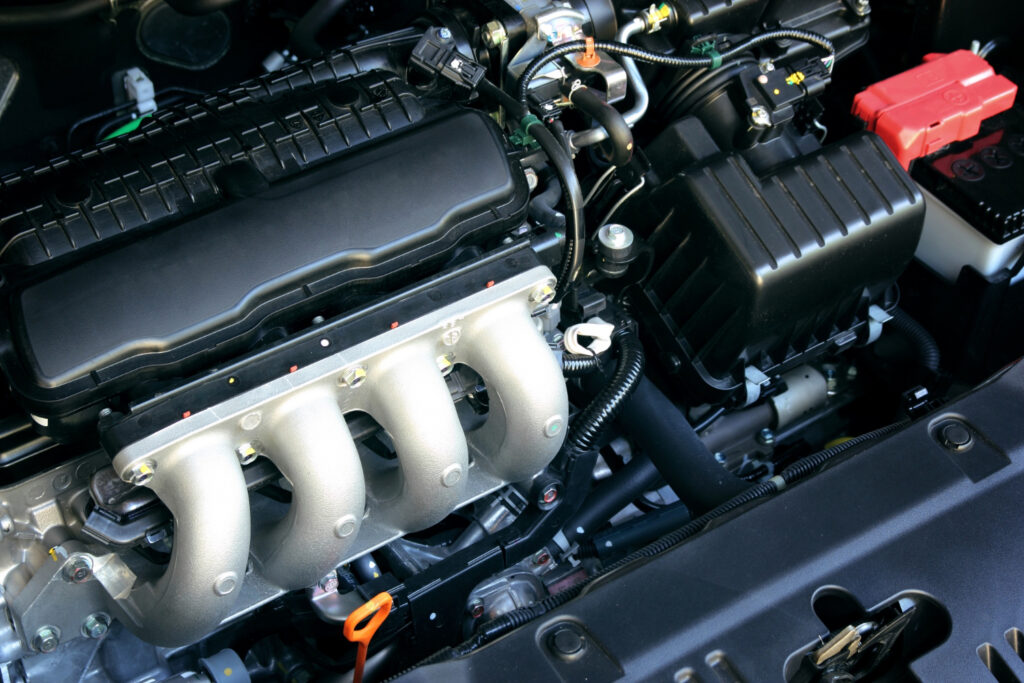
What Affects Engine Cooling System Repair Cost?
When a vehicle’s cooling system fails, repair costs can vary significantly because the system itself is made up of multiple interconnected components. It includes the radiator, water pump, thermostat, hoses, coolant fluid, cooling fans, and electronic temperature sensors. Since all of these parts work together to maintain a safe engine temperature, the total repair cost depends on which component fails and how the issue affects the rest of the system.
Several factors influence the final bill. First, which component is failing plays a major role. Smaller parts like hoses or a radiator cap are typically less expensive, while major components such as the water pump or radiator cost more to replace. Second, how difficult the part is to access can increase labor time. If a component is buried deep within the engine bay, labor costs rise accordingly. Third, the extent of damage matters. In some cases, a failed cooling component may lead to additional engine damage, which significantly increases repair costs.
Type of Vehicle and Engine Size
The type of vehicle and engine size play a major role in repair cost. Larger or more complex vehicles typically cost more to fix.
- Larger engines often require bigger radiators, hoses, and cooling fans, which increases parts cost
- Performance, luxury, or heavy-duty vehicles usually have tightly packed engine bays, making repairs more labor-intensive
- Longer labor times raise the total repair bill
- Smaller economy cars generally use simpler, standardized parts that are easier and less expensive to replace
Even within the same model year, vehicles with larger engines usually have more complex cooling systems, increasing both parts and labor costs.
Extent of Damage to Cooling Components
Repair cost also depends on how serious the cooling system problem is.
- Minor issues (such as hose leaks, thermostat failure, or radiator cap problems) are usually quicker and less expensive to fix
- Moderate damage (like radiator failure, water pump problems, or cooling fan motor failure) requires replacing major components and involves more labor
- Severe overheating damage can lead to warped cylinder heads, blown head gaskets, cracked engine blocks, or internal engine damage
Severe damage requires extensive engine work and can dramatically increase the total repair cost, sometimes approaching the cost of replacing the engine.
Cost of Replacement Parts vs. Repair
Another important factor that affects cooling system repair cost is whether a component can be repaired or must be replaced, and if replaced, what type of part is selected.
Repair vs. Replace
In some cases, a component can be repaired rather than replaced. For example, sealing a small radiator leak may cost less initially. Nevertheless, these repairs are often temporary solutions.
Replacing the damaged part usually costs more upfront, but it tends to provide a more reliable and long-term fix. Replacement can also help prevent repeat repairs that increase overall expenses over time.
Types of Replacement Parts
If replacement is necessary, the type of part chosen will affect the total cost.
- OEM (Original Equipment Manufacturer) parts match the components originally installed in the vehicle. They typically offer proper fit and reliable performance but come at a higher price.
- Aftermarket parts are usually less expensive, though quality can vary. A reputable repair shop may suggest high-quality aftermarket options to reduce costs without compromising performance.
In addition to the main component, mechanics may need to replace related items such as coolant fluid, gaskets, or seals, which adds to the total parts cost.
Labor Time and Mechanic Rates
Labor costs often make up a significant portion of the total cooling system repair bill. Two main factors determine how much you’ll pay for labor: the time required to complete the repair and the hourly rate charged by the shop.
Time Required to Perform the Repair
The complexity of the repair directly affects labor cost. Simple tasks, such as topping off coolant or replacing a radiator cap, may take less than an hour. More complex repairs—like replacing a water pump or repairing a head gasket—can require many hours or even a full day of work. The longer the job takes, the higher the labor cost.
Mechanic Rates by Region and Shop
Labor rates vary widely depending on several factors:
- Geographic location: Areas with higher living costs often have higher hourly rates
- Type of shop: Dealership service centers typically charge more per hour than independent repair shops
- Technician experience level: Certified technicians often command higher rates
In addition to labor for the repair itself, many shops charge a separate diagnostic fee to identify the problem before any repair work begins.
Related Repairs Linked to Overheating
A cooling system failure often affects more than just one component. Because excessive heat impacts multiple engine parts, secondary damage can significantly increase the total repair cost.
One common example is a blown head gasket, which may require removing the cylinder head, a labor-intensive and expensive procedure. In more severe cases, overheating can warp metal surfaces, leading to the need for cylinder head or engine block machining, or even replacement. These repairs add substantial labor and parts costs.
Overheating can also cause oil contamination if coolant mixes with engine oil due to internal leaks. This compromises lubrication and may require an oil system flush or further engine repairs. Additionally, temperature sensors or control modules may fail and require separate replacement.
Because overheating can trigger multiple related issues, addressing cooling system problems early helps prevent more extensive and costly damage. Many automotive experts emphasize that prompt repair reduces the risk of cascading failures.
Key Takeaways.
- Cooling system repair costs vary widely
The total price depends on which component fails and how it affects the overall system. Since the cooling system includes multiple interconnected parts, even a single failure can influence labor time and related repairs. - Vehicle type and damage severity significantly impact cost
Larger or more complex vehicles usually require more expensive parts and longer labor times. Minor issues are relatively inexpensive, while severe overheating damage can lead to major engine repairs costing thousands. - Repair vs. replacement and part choice matter
Temporary repairs may cost less upfront but are often short-term solutions. Replacement parts vary in price depending on whether OEM or aftermarket options are used, and additional items like coolant or gaskets can increase the total bill. - Labor time and shop rates add substantially to the total
Complex repairs require more hours, increasing labor costs. Rates vary by region, shop type, and technician experience, and diagnostic fees are often charged separately. - Overheating can lead to costly secondary damage
Cooling system failures may cause blown head gaskets, warped engine components, oil contamination, or sensor failures. Early repair helps prevent cascading damage and significantly higher expenses.
FAQs:
What is the engine cooling system?
The engine cooling system is a network of components, including the radiator, water pump, thermostat, hoses, coolant fluid, cooling fans, and sensors, that work together to regulate engine temperature and prevent overheating.
What to do when the engine cooling system light comes on?
Address it promptly. A warning light may indicate overheating or a component failure, and delaying inspection can lead to more serious engine damage.
How to fix an engine cooling system?
Repair depends on the failing component. It may involve replacing parts such as hoses, the thermostat, radiator, or water pump, and addressing any related damage caused by overheating.
How do I know if my cooling system is bad?
Signs include overheating, coolant leaks, repeated temperature spikes, or related engine damage. A proper diagnosis is usually needed to identify the exact cause.
You May Also Like.
Where Does Engine Coolant Go in Your Car? Key Insights
Engine Cooling System Service | Key Maintenance Tips
Why Is My Engine Cooling System Light On? Causes & Fixes
Reviewed by Carlos Jimenez – Mechanic