
Can a Faulty Thermostat Cause Engine Overheating?
Your temperature gauge spikes without warning, and suddenly you’re left asking: Can a Faulty Thermostat Cause Engine Overheating? It’s a small, inexpensive part, but it plays a critical role in engine temperature control. Could this tiny valve really be the reason your engine is running hot? The answer may surprise you, and save you from serious damage.
Fast and dependable cooling system repair service.
TL;DR:
A faulty thermostat can cause engine overheating by disrupting coolant flow and preventing proper temperature regulation. When working correctly, it maintains optimal temperature for efficiency, performance, and longevity. Symptoms of failure include overheating, running too cold, erratic gauge readings, and poor heater performance. Ignoring issues can lead to serious engine damage. Testing and replacement are standard cooling system maintenance procedures.
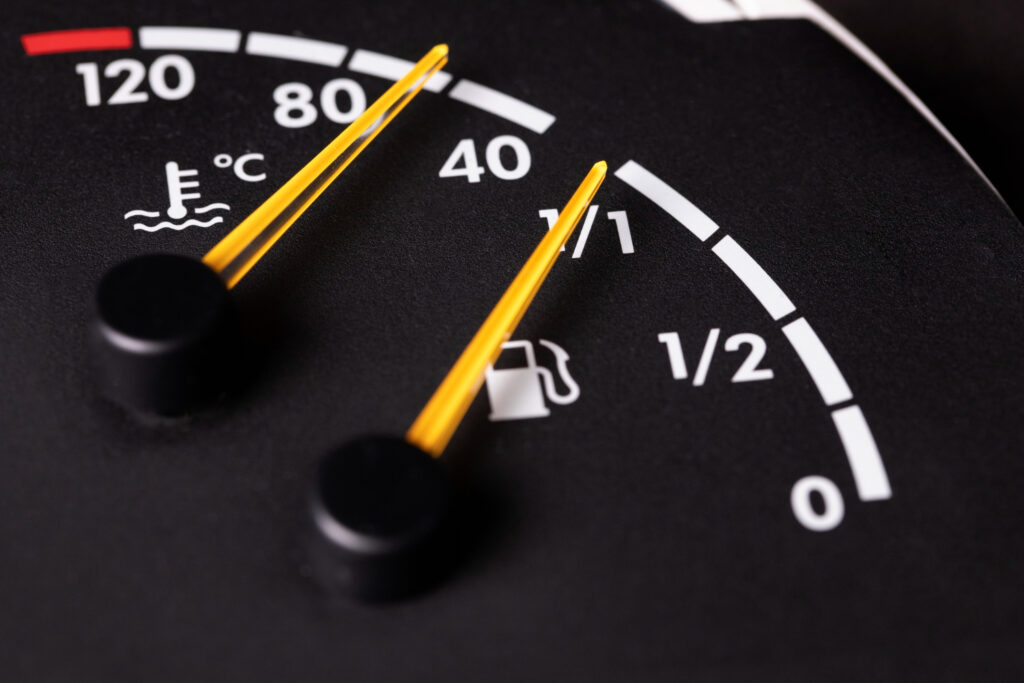
How Does a Thermostat Affect Engine Temperature?
The thermostat is a temperature-controlled valve in the cooling system that regulates coolant flow between the engine and the radiator. Its main role is to help the motor reach and maintain its ideal operating temp, which supports proper combustion efficiency, fuel economy, emissions control, and long-term durability. When the motor is cold, the temperature sensor remains mostly closed, allowing coolant to circulate only within the engine block so it warms up faster. Once the coolant reaches its set temp, the piece opens, directing coolant to the radiator to release excess heat.
This regulation is critical because internal combustion engines generate significant heat. Without proper control, it may run too cool, reducing efficiency and increasing wear, or overheat, potentially causing serious mechanical damage.
Function of the Thermostat in Regulating Coolant Flow
At the center of the temperature sensor operation is a temperature-responsive element, typically a wax pellet or thermo-sensing device. When the motor is cold, the thermostat stays closed and prevents coolant from flowing to the radiator, helping it reach its optimal temp more quickly. As the coolant warms and reaches the piece’s specific opening point, the sensing element expands and opens the valve, allowing coolant to travel to the radiator where heat is dissipated.
During normal driving, the thermostat continuously adjusts how much it opens or closes to keep the engine temperature within a narrow optimal range. This precise control improves combustion efficiency, reduces wear, and minimizes emissions.
Symptoms of a Stuck or Malfunctioning Thermostat
A malfunctioning thermostat can significantly disrupt engine temperature control. Common symptoms include:
- Overheating: A thermostat stuck closed prevents coolant from reaching the radiator, causing heat buildup and potential engine damage.
- Engine running too cold: A thermostat stuck open allows constant coolant circulation, preventing it from reaching normal operating temperature.
- Erratic temperature gauge readings: Sudden fluctuations may indicate irregular operation.
- Poor heater performance: Insufficient warm coolant reaching the heater core can reduce cabin heat.
- Coolant leaks or pressure changes: Failure of the thermostat or its housing seal may cause leaks and reduced cooling efficiency.
Influence on Engine Performance and Efficiency
When the thermostat functions properly, the engine quickly reaches and maintains its intended operating temperature. This heat stability plays a direct role in overall performance and fuel efficiency.
Efficient combustion depends on operating within the correct heat range. A motor that runs too cool burns fuel less efficiently, increasing fuel consumption. Maintaining proper temperature also supports lower emissions, since fuel burns more completely under stable conditions. In addition, consistent temp allows the motor control unit (ECU) to manage fuel delivery and ignition timing accurately, helping preserve power output and responsiveness.
Proper heat control also reduces mechanical stress. By preventing excessive heat or prolonged cool operation, the thermostat helps minimize thermal strain on metal components and reduces oil degradation, contributing to longer engine life. Without its correct function, the motor may overcool or overheat, leading to inefficient combustion, higher fuel usage, and uneven performance.
Risks of Ignoring Thermostat Problems
Ignoring thermostat problems can quickly escalate into more serious and costly issues. Because this piece directly controls temperature regulation, a malfunction can affect both engine components and the broader cooling system.
Potential risks include:
- Severe damage: Persistent overheating can warp internal components, crack the engine block, or blow head gaskets.
- Fuel waste and higher operating costs: Engines that never reach optimal temperature burn more fuel, increasing expenses.
- Increased emissions: Improper heat control can cause incomplete combustion and higher pollutant output.
- Cooling system stress: Components like the water pump and radiator may fail sooner due to added thermal strain or improper coolant circulation.
Methods to Test and Replace a Faulty Thermostat
Diagnosing and replacing a faulty thermostat involves a combination of observation, testing, and proper installation procedures. Identifying the issue accurately helps prevent unnecessary repairs and ensures stable temperature control.
Testing
There are several commonly used methods to determine whether a thermostat is functioning properly:
- Observe the temperature gauge: Erratic, unstable, or unusual gauge readings can indicate problems.
- Physical testing in hot water: After removing the piece, placing it in controlled hot water allows you to see whether it opens at its specified temp (typically around 80–90 °C). If it fails to open at the marked temperature, replacement is necessary.
- Infrared temperature measurement: Using an infrared thermometer to measure coolant heat before and after the thermostat helps confirm whether it responds correctly as the engine warms.
- Professional scan tools: Diagnostic tools in modern vehicles can analyze thermostat and coolant temperature sensor data to detect irregular patterns.
Replacing
Replacement generally follows these steps, though exact procedures vary by vehicle model:
- Drain coolant: Lower the coolant level below the thermostat housing to prevent spills.
- Remove housing: Disconnect hoses and remove the thermostat housing.
- Replace the thermostat: Install a new one specified for the engine.
- Inspect seals and gaskets: Replace gaskets to help prevent leaks.
- Refill coolant and bleed the system: Refill the cooling system and remove trapped air to ensure proper circulation.
Testing and replacement are standard elements of cooling system maintenance and are often recommended every 50,000–100,000 miles or when symptoms appear.
Key Takeaways.
- The thermostat plays a critical role in engine temperature control
It regulates coolant flow between the engine and radiator, helping it reach and maintain its ideal operating temperature. Proper regulation supports combustion efficiency, fuel economy, emissions control, and longevity. - Malfunctioning disrupt performance and cooling
A thermostat stuck closed can cause overheating, while one stuck open can prevent the engine from warming properly. Symptoms include erratic temperature readings, poor heater performance, coolant leaks, and unstable operation. - Temperature stability directly impacts efficiency and durability
Engines operating at the correct temperature burn fuel more efficiently, produce fewer emissions, and experience less mechanical stress. Poor function can lead to higher fuel use, uneven performance, and increased wear. - Ignoring thermostat problems can lead to serious damage
Persistent temperature imbalance may cause warped components, blown head gaskets, increased emissions, and added strain on cooling system parts. Early diagnosis helps prevent costly engine repairs. - Testing and replacement are straightforward maintenance steps
Thermostats can be tested through gauge observation, hot water checks, infrared measurements, or diagnostic tools. Replacement involves draining coolant, installing a new unit with fresh seals, and properly refilling and bleeding the system.
FAQs:
How can I fix my overheating problem?
Start by checking the thermostat, as it may be stuck closed and preventing coolant from reaching the radiator. Testing and replacing a faulty piece can restore proper coolant flow and stabilize engine temperature.
Why is my car saying it’s overheating?
Your motor may be overheating because the thermostat is not regulating coolant flow correctly. If it fails to open, heat builds up in the engine instead of being released through the radiator.
How to cool down an overheating car?
If overheating is caused by a stuck thermostat, the cooling system must be inspected and repaired. Restoring proper function allows coolant to circulate and remove excess heat effectively.
How to fix cooling system malfunction?
Diagnose the issue by observing temperature behavior, testing the thermostat, and using proper diagnostic tools. If it is faulty, replace it, refill coolant, and bleed the system to ensure proper circulation.
You May Also Like.
Car Overheating but Coolant Is Full? Find Out Why
How Engine Cooling System Works to Prevent Overheating
Mechanical Parts Repair: Finding Services for Your Car
Reviewed by Carlos Jimenez – Mechanic