
How Long Does It Take to Fix a Crashed Car? What to Expect
After an accident, one of the first questions drivers ask is how long does it take to fix a crashed car? The answer is rarely straightforward. Repair timelines can stretch from days to weeks, and sometimes longer, depending on factors you might not expect. In this article, we’ll break down what truly affects repair time, and why two similar crashes can have very different outcomes.
Compare services at Auto Crash Box Repair in Brooklyn.
TL;DR:
Fixing a crashed car can take anywhere from a few days to several weeks, depending on damage severity, vehicle complexity, parts availability, insurance approvals, and shop workload. The process includes thorough damage assessment, parts ordering, structural and body repairs, repainting, and final testing. Delays often come from hidden damage, backordered parts, or approval processes, while final inspections ensure safety, quality, and proper performance before delivery.
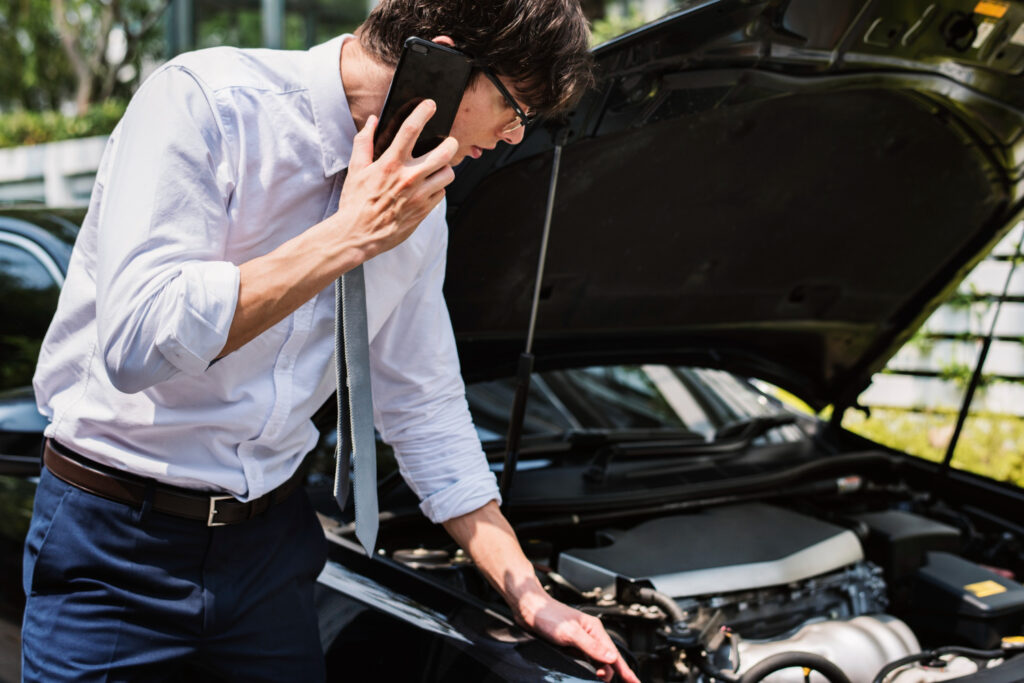
What Factors Influence Crashed Car Repair Time?
The time required to fix a crashed car can range from a few days to several weeks, depending on multiple interconnected factors. Damage severity is the most significant variable: minor dents or cosmetic issues are usually repaired quickly, while structural damage or frame misalignment can greatly extend the timeline. Vehicle complexity also matters, as cars with advanced safety systems or uncommon components often require additional steps such as system recalibration and specialized parts sourcing.
Another major influence is parts availability. Repairs move faster when replacement parts are readily available locally. Nevertheless, if parts must be ordered from distant suppliers or directly from the original equipment manufacturer, waiting periods can add days or even weeks. Supply chain delays or backorders may postpone repairs before work can officially begin.
Insurance approvals also affect how soon repairs can start. Many collision centers must wait for an insurance estimate and authorization before proceeding. This process can take additional time, especially for complex claims or when hidden damage is discovered during inspection. Finally, the body shop’s workload and capacity play a role, shops with heavy backlogs, limited staff, or seasonal surges may take longer to begin and complete repairs compared to well-staffed facilities with lighter queues.
Assess the Damage Thoroughly
Before any repairs begin, the vehicle must be carefully inspected to understand the full extent of the damage. This step sets the foundation for accurate repairs, timelines, and costs.
- Technicians perform a detailed inspection of visible exterior damage and possible hidden issues.
- Areas checked include body panels, frame alignment, suspension, and safety systems.
- Partial disassembly may be required to uncover damage not visible at first glance.
- Hidden damage can change repair plans and extend timelines if discovered later.
- Accurate assessment ensures the correct repair scope, parts selection, labor planning, and helps avoid safety risks or unexpected delays.
Order Needed Replacement Parts
After the damage assessment and repair plan are complete, the next step is ordering the required replacement parts. This stage often controls how quickly repairs can move forward, since it depends on suppliers outside the repair shop.
- Parts may be sourced from OEM suppliers, aftermarket manufacturers, or salvage yards.
- OEM parts usually offer the best fit and quality but may take longer to arrive if not stocked locally.
- Aftermarket parts can sometimes be obtained faster, though quality and fit can vary by supplier.
- Shipping times, backorders, customs delays, and supply-chain issues can all slow delivery.
- Repair work may pause until all correct parts are received, making parts availability a main factor in total repair time.
Perform Bodywork and Frame Repairs
Once the required parts are available, technicians begin the core repair work by addressing structural issues and restoring damaged body panels to their original shape and strength. For minor cosmetic damage, this may involve dent removal, sanding, and surface reshaping. In more serious collisions, repairs can include frame alignment, welding, panel replacement, suspension repairs, and other mechanical corrections.
Frame and structural repairs are often the most time-intensive part of the process. They require specialized equipment and precise measurements to ensure the vehicle meets manufacturer safety and alignment standards. Even small structural shifts must be corrected carefully so the car’s safety performance is not compromised.
Throughout this stage, technicians perform intermediate alignment and fit checks. These checks confirm that repaired sections are correctly positioned and that replacement parts fit properly before moving on to later steps such as painting and final assembly.
Repaint and Finish the Vehicle
Once structural and body repairs are complete, the vehicle enters the final visual stage. Painting and finishing restore the car’s appearance and ensure the repair blends seamlessly with the original factory finish.
- Surfaces are sanded and primed, then coated with base color and clear coat layers.
- Paint is often blended into nearby panels so color transitions are smooth and unnoticeable.
- Each paint layer needs proper curing time, which can be affected by temperature and humidity.
- Color matching, especially for metallic or pearl finishes, requires precision and experience.
- Final steps include buffing, polishing, and inspection to confirm the finish meets quality standards.
Test and Inspect Before Delivery
Before a repaired vehicle is returned to its owner, it goes through a final round of testing and inspection. This step goes beyond visual checks and includes verifying mechanical operation, safety systems, alignment, and any sensors or electronic components that may have been affected by the collision or repair work. In many cases, shops also perform a test drive to confirm the vehicle behaves correctly under real driving conditions.
This quality-control phase is essential for safety, performance, and customer satisfaction. Technicians confirm that repairs meet manufacturer and industry standards, that panel gaps and fitment are correct, and that paint quality matches expectations. They also check that no mechanical or electrical issues remain.
Once inspections are complete, the shop typically reviews the repairs with the vehicle owner or insurance representative. The vehicle is then scheduled for delivery, often with documentation outlining the completed work and any follow-up care or maintenance recommendations.
Key Takeaways
- Repair timelines vary widely after a crash. Fixing a crashed car can take anywhere from a few days to several weeks or longer. The biggest drivers are damage severity, vehicle complexity, and how many systems are affected.
- Damage assessment sets the entire repair timeline. Technicians inspect visible and hidden damage, sometimes requiring partial disassembly. Accurate assessment prevents safety risks, unexpected delays, and incomplete repairs.
- Parts availability often controls repair speed. OEM, aftermarket, or salvage parts may be used, each with different wait times. Backorders, shipping delays, or supply-chain issues can pause repairs before work continues.
- Bodywork, frame repairs, and painting are time-intensive stages. Structural repairs require precision, specialized equipment, and intermediate checks. Painting adds curing time and requires careful color matching and finishing.
- Final testing ensures safety and quality before delivery. Shops inspect mechanical systems, safety features, alignment, and electronics, often with a test drive. Repairs are reviewed with the owner or insurer before the vehicle is returned.
FAQs:
How long does it take for a car to be repaired?
Car repairs after a crash can take anywhere from a few days to several weeks. The timeline depends on damage severity, parts availability, insurance approvals, and the repair shop’s workload.
What takes the longest to fix in a car?
Structural and frame repairs usually take the longest. They require precise measurements, specialized equipment, and careful alignment to meet safety standards, often followed by repainting and inspections.
How fast can a car be repaired?
A car can be repaired relatively quickly, sometimes in just a few days, if the damage is minor, parts are readily available, and insurance approvals are completed promptly.
What takes the longest to fix in a car?
Structural and frame repairs usually take the longest. They require specialized equipment, precise measurements, and often depend on parts availability, inspections, and follow-up checks before the vehicle can move on to painting and final assembly.
How long is it reasonable to wait for a repair?
It’s reasonable to wait several weeks for more complex repairs involving structural damage, parts backorders, or insurance approvals. Longer timelines are often normal when safety systems, frame repairs, or hard-to-source parts are involved.
You May Also Like:
Crash Box and Transmissions: What You Need to Know
How Long Does It Take to Repair Car Body Damage?
Complete Auto Repair Service: What’s Included? Learn …