
How Much Does It Cost to Fix a Car Radio? Know the Prices
Ever turned on your car stereo only to be met with silence and wondered how much does it cost to fix a car radio? Repair costs can vary more than most drivers expect, depending on the issue and the system itself. In this article, we’ll break down what affects pricing, what repairs typically cost, and how to avoid paying more than necessary.
Compare prices from top car audio repair shops in Brooklyn.
TL;DR:
Car radio repair costs vary widely based on the radio’s type and age, the severity of the damage, labor rates, and the price and availability of replacement parts. Simple radios and minor faults are usually inexpensive to fix, while modern, integrated infotainment systems with advanced features can require specialized diagnostics, programming, and costly components, driving prices much higher.
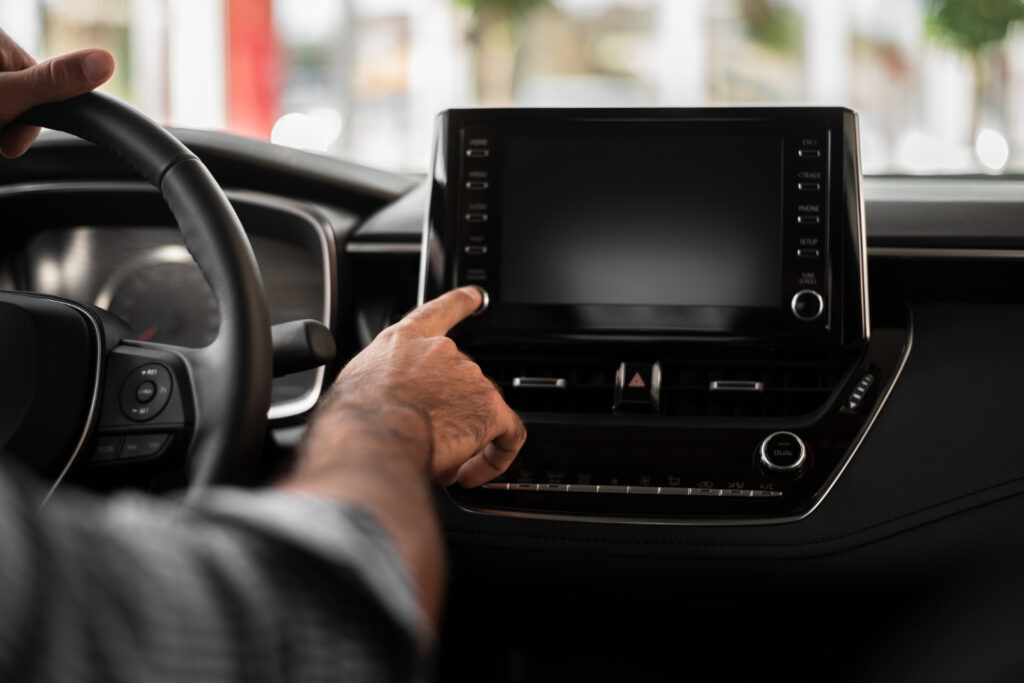
What Factors Affect Car Radio Repair Costs?
Several factors work together to determine how much it costs to repair a car radio. One of the biggest influences is the type and age of the radio. Older or simpler units are often easier and cheaper to fix, while newer systems tend to be more complex and costly to diagnose.
The specific fault also matters. Minor issues may require limited labor or parts, while more extensive electrical or internal failures increase both time and cost. Labor rates vary by location and directly affect the final price, as does the availability and cost of replacement parts, whether they are original equipment, aftermarket, or recycled components.
Costs can rise further if the radio is integrated with other vehicle systems, such as navigation, communication, or safety features. In modern vehicles, increased electronics complexity and ongoing supply-chain pressures also contribute to higher repair costs, since diagnostics often require specialized tools and software.
Type of Car Radio Determines the Base Cost
The design and complexity of a car radio largely set the starting point for repair or replacement costs. Simpler systems are easier to source and install, while advanced, integrated units raise both parts and labor expenses.
- Car radios range from basic AM/FM/CD units to advanced infotainment systems with touchscreens, navigation, Bluetooth, and driver-assist features.
- More features and deeper manufacturer-specific integration increase the base cost.
- Aftermarket single-DIN or basic double-DIN radios are usually affordable and easy to install.
- Factory infotainment systems are often expensive due to higher part prices and required programming or calibration.
- Some modern head units are locked to manufacturer software, limiting replacement options and raising costs.
Damage Level Influences Repair Complexity
The extent of the damage directly affects how complex a car radio repair will be. As faults move from simple to severe, both diagnostic time and repair effort increase.
- Minor faults such as a blown fuse, loose wiring, faulty antenna connector, or a single bad speaker typically require minimal diagnostics and low-cost parts.
- Moderate faults, including water damage, partial circuit-board failure, or a failing display, often involve board-level work or subcomponent replacement and may require a specialist.
- Severe faults like complete head-unit failure, damage to integrated modules, or issues affecting vehicle communication networks usually require full unit replacement and professional reprogramming.
- In modern vehicles, apparent radio problems may actually stem from antennas, vehicle modules, or software mismatches, increasing diagnostic time and cost.
- Service guidance shows that antenna and satellite/GPS-related issues often require step-by-step diagnostics and wiring checks before parts are replaced.
Labor Charges Affect Total Price
Labor makes up a large share of the total cost to repair a car radio. Hourly labor rates vary widely based on location, whether the work is done at a dealership or an independent shop, and the skill level of the technician. Differences in technician wages and shop overhead directly influence what customers pay per hour.
Beyond the hourly rate, the amount of labor time required also affects the final price. Complex diagnostics can take longer than the actual repair, especially when calibration, programming, or system integration testing is needed afterward. Repairs involving factory infotainment systems often require specialized tools and software, which can increase both labor time and labor rates compared with simpler aftermarket radio repairs.
Replacement Parts Add to the Expense
Replacement parts are often one of the biggest contributors to the overall cost of car radio repairs. The type of part used and its availability can significantly affect both price and repair time.
- OEM parts are the most expensive but offer guaranteed fit and full system integration.
- Aftermarket new units cost less and come in multiple quality levels.
- Recycled or refurbished parts are usually the cheapest but can vary in reliability.
- High-cost components often include the display, internal motherboard, antenna modules, and integrated cameras or sensors.
- Parts shortages or long lead times can raise prices, while board-level repairs can reduce costs if electronics repair expertise is available.
Additional Features May Increase the Cost
Modern car radios often include advanced features that add both complexity and expense to repairs. Systems with navigation or GPS may require specific antennas and, in some cases, map or software license activation, increasing both parts and labor costs.
When a radio is tied into the vehicle’s network systems, repairs often involve programming and access to specialized software. If the infotainment system connects to safety or driver-assist features, correct installation becomes more critical and usually requires post-repair validation.
Vehicles equipped with premium audio systems can further raise costs due to system matching and tuning. As automotive electronics become more complex, repairs increasingly demand specialized knowledge and equipment, which directly contributes to higher overall repair prices.
Key Takeaways
- Car radio repair costs vary widely based on system type and age.
Older or simpler radios are usually cheaper to fix, while modern, integrated infotainment systems increase both diagnostic difficulty and repair cost. - The severity of the damage directly affects repair complexity and price.
Minor faults are quick and inexpensive, moderate faults require deeper component-level work, and severe failures often mean full unit replacement and reprogramming. - Labor charges are a major part of the total repair cost.
Rates depend on location, shop type, and technician skill, and complex diagnostics, programming, or system integration can take more time than the repair itself. - Replacement parts significantly influence the final bill.
OEM parts cost the most, aftermarket options offer savings, and refurbished parts are cheapest but less consistent; displays and internal electronics are often the most expensive components. - Advanced features increase repair difficulty and expense.
Navigation, vehicle network integration, safety systems, and premium audio setups require specialized tools, software, and validation, driving up both labor and parts costs.
FAQs:
How expensive is it to replace a car radio?
The cost varies widely. Basic aftermarket radios are relatively affordable, while factory infotainment systems with integrated features can be much more expensive due to higher part prices and required programming.
Is it worth replacing a car radio?
It depends on the radio type and the issue. Replacing a simple unit is often cost-effective, but for highly integrated factory systems, repair or replacement costs should be weighed against the vehicle’s value.
Can a car radio screen be repaired?
Yes, in some cases. If the damage is limited to the display, a screen or component-level repair may be possible, which can cost less than replacing the entire unit.
You May Also Like.
How to Reset Car Radio: Step-by-Step Guide
How Much Does It Cost to Install a Car Audio System?
Radio Not Working in Car: Common Causes and Fixes