
What Car Part Charges the Battery and How It Works
Ever wondered what car part charges the battery while you drive, and what actually happens under the hood to keep your vehicle powered? Most drivers rely on this crucial component every day without realizing how quickly things can go wrong when it fails. In this article, we’ll uncover the hidden process that keeps your battery alive and reveal the part responsible for it all.
Choose reliable car parts in Brooklyn.
TL;DR:
The alternator is the component that charges a car’s battery by converting engine power into electrical energy. Its rotor creates a magnetic field that induces AC voltage in the stator, which is then converted to DC by the rectifier. A voltage regulator keeps charging levels safe, while the battery stores and stabilizes energy. In complex systems, additional charging methods may be used.
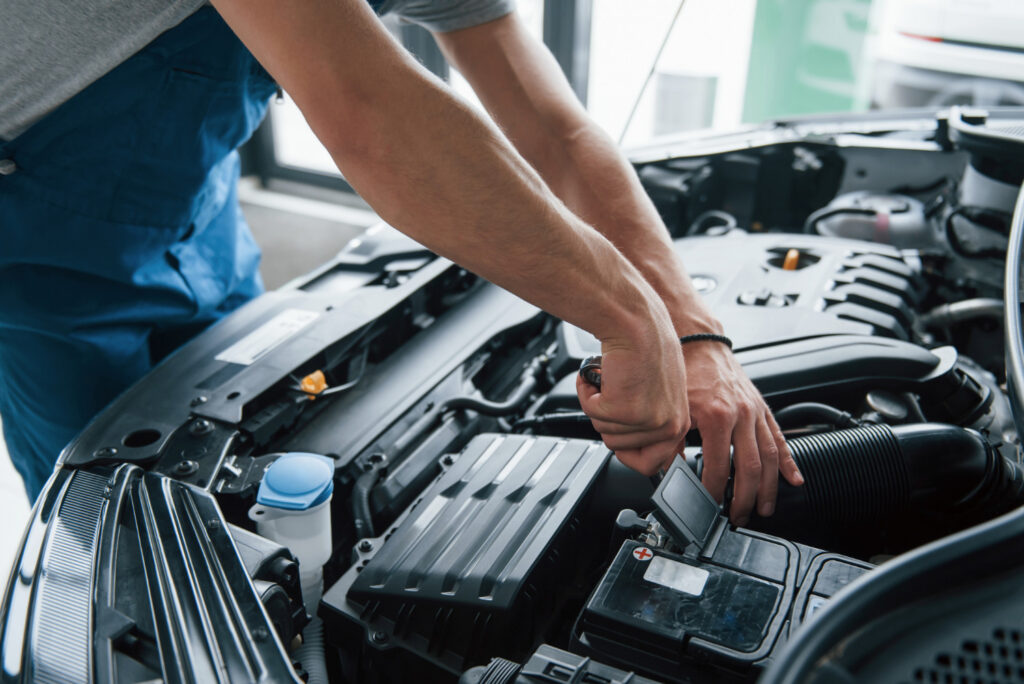
How Does the Alternator Keep the Battery Charged?
An alternator keeps the battery charged by turning the engine’s mechanical power into usable electrical energy. As the engine runs, it spins the alternator’s rotor, creating a rotating magnetic field. This movement induces AC voltage in the stator windings, which is then converted into DC power through the rectifier so the vehicle can use it.
To ensure it is charged safely, the voltage regulator manages how much electrical output the alternator produces. This prevents both undercharging and overcharging. At the same time, the alternator provides immediate power to lights, ignition components, electronics, and accessories, reducing the load on the battery so it can stay properly charged while the engine is running.
Power Generation Begins with the Alternator’s Rotor Movement
Power generation starts as soon as the alternator’s rotor begins to spin. This controlled rotor movement is what starts the entire electrical production process.
- The engine turns the rotor through a belt.
- The rotor acts as either an electromagnet (supplied by a small current) or a permanent magnet.
- As it spins, it creates a rotating magnetic field inside the alternator.
- That rotating magnetic field induces voltage in the stator windings through electromagnetic induction.
- Faster rotor speed (within design limits) produces higher induced voltage.
- Modern alternators adjust the rotor’s excitation current so output can change with engine speed and electrical load.
Electrical Energy Forms Through Magnetic Induction Inside the Stator
Electrical energy is created inside the alternator as the rotor’s magnetic field moves past the stator windings.
- The stator surrounds the rotor and contains a three-phase set of coils.
- As the rotor’s magnetic field sweeps across these coils, Faraday’s law of induction causes an alternating voltage to appear in each coil.
- Because the stator is three-phase, it produces three sinusoidal AC voltages that are phase-shifted from one another.
- This three-phase setup provides smoother, higher-power output and improves how well the rectifier diodes work.
- The stator’s design determines voltage, current capability, heating behavior, and efficiency.
- Proper materials and thermal design are essential for long-term reliability.
Current Is Converted to Usable Power by the Rectifier Assembly
The electrical energy created in the stator starts out as AC voltage, which cannot charge a DC battery on its own. To make it usable, the alternator relies on a rectifier assembly. This assembly contains power diodes arranged in a three-phase bridge to convert the stator’s three-phase AC into pulsating DC.
These diodes allow current to flow in only one direction, sending DC output to the battery and the vehicle’s electrical system. Because they must handle high levels of current and heat, diode failure is a well-known issue in alternator reliability studies. If the diodes overheat or become damaged, charging will weaken or stop entirely.
For this reason, effective rectifier design and proper heat dissipation within the alternator are essential for dependable charging.
Voltage Is Regulated to Maintain a Stable Charge for the Battery
To ensure it receives power it can safely use, the alternator’s output must be carefully controlled. This is where the voltage regulator comes in, keeping the charging voltage stable and preventing damage from either too little or too much charge.
- After rectification, the regulator maintains a safe charging voltage, typically around 13.5–14.5 volts for a 12-volt lead-acid system.
- It monitors system voltage and adjusts the current sent to the rotor’s field winding to raise or lower alternator output.
- This feedback prevents under-charging, which reduces battery life and can leave the vehicle unable to start.
- It also prevents over-charging, which can cause gassing, heat buildup, and accelerated wear.
- Modern systems may use “smart” regulation, incorporating inputs such as engine speed, temperature, or state of charge to optimize performance and efficiency.
Stored Energy Is Replenished as the Alternator Sends Power to the Battery
Once the alternator produces regulated DC power, that current flows into the vehicle’s electrical system and back into the battery, restoring the energy used during engine startup and normal accessory operation.
It acts as a buffer, absorbing charge to rebuild its chemical energy while smoothing sudden electrical demands the alternator cannot instantly handle. During high loads the alternator lessens what the battery must supply. When demand is low, more current is available to recharge it.
In vehicles with complex electrical systems additional charging methods like DC-DC converters, battery-to-battery chargers, or managed alternators may be used to ensure proper charging for all batteries.
Key Takeaways
- The alternator is the main component that charges the battery.
It converts mechanical power from the engine into electrical energy, keeping it alive while powering essential vehicle systems during operation. - Rotor movement initiates power generation.
As the rotor spins it creates a rotating magnetic field that induces voltage in the stator. Faster rotor speeds increase output, and excitation is adjusted to match electrical demand. - Magnetic induction in the stator forms the alternator’s electrical energy.
The stator’s three-phase coils generate smooth, efficient AC power, with design and materials influencing performance, heat control, and long-term reliability. - The rectifier converts AC into usable DC power.
Diodes arranged in a three-phase bridge ensure current flows in one direction, transforming AC into DC for the battery. Proper heat management is crucial to avoid diode failure and charging issues. - The voltage regulator ensures safe, stable charging.
It maintains proper charging voltage and adjusts alternator output to avoid under- or over-charging, with modern systems optimizing performance based on driving and battery conditions. - The battery is replenished and supported by regulated alternator output.
The alternator sends DC power to the vehicle and battery, while it buffers sudden electrical demands. Advanced systems may use additional charging components to support complex electrical setups.
FAQs:
What part charges a car battery?
The alternator charges the car battery by converting engine power into electrical energy and supplying regulated DC voltage to keep it full.
How do I know if my alternator is draining my battery?
Common signs include a battery that keeps dying, dimming lights, electrical issues, or a warning light on the dashboard. Testing the alternator’s output can confirm the problem.
Which part charges the battery while driving?
The alternator charges it while the engine is running, supplying power to the vehicle and replenishing it at the same time.
What could be draining my battery if it’s not the alternator?
Possible causes include a weak or aging battery, parasitic electrical draws, faulty wiring, malfunctioning accessories, or leaving lights or electronics on.
You May Also Like:
Mechanical Parts Repair: Finding Services for Your Car
Why Your Car Won’t Start With a New Battery and Alternator?
What Are the Best Car Battery Brands? Top List