
How Often Do You Need to Replace a Clutch in Your Car
Your clutch doesn’t fail overnight, it gives subtle warnings long before it quits. But how often do you need to replace a clutch? The answer depends on more than mileage alone. Driving habits, traffic conditions, and vehicle design all play a role. Comprehending these factors now could save you from an unexpected breakdown later.
Schedule your Clutch service and repair in Brooklyn today.
TL;DR:
Clutch replacement timing depends on wear, not mileage alone. Driving habits, traffic conditions, vehicle type, and quality all affect how quickly a clutch wears out. Aggressive driving, heavy loads, and frequent stop-and-go use accelerate wear, while smooth driving extends life. Regular inspections and early warning signs help determine when replacement is needed and prevent further drivetrain damage.
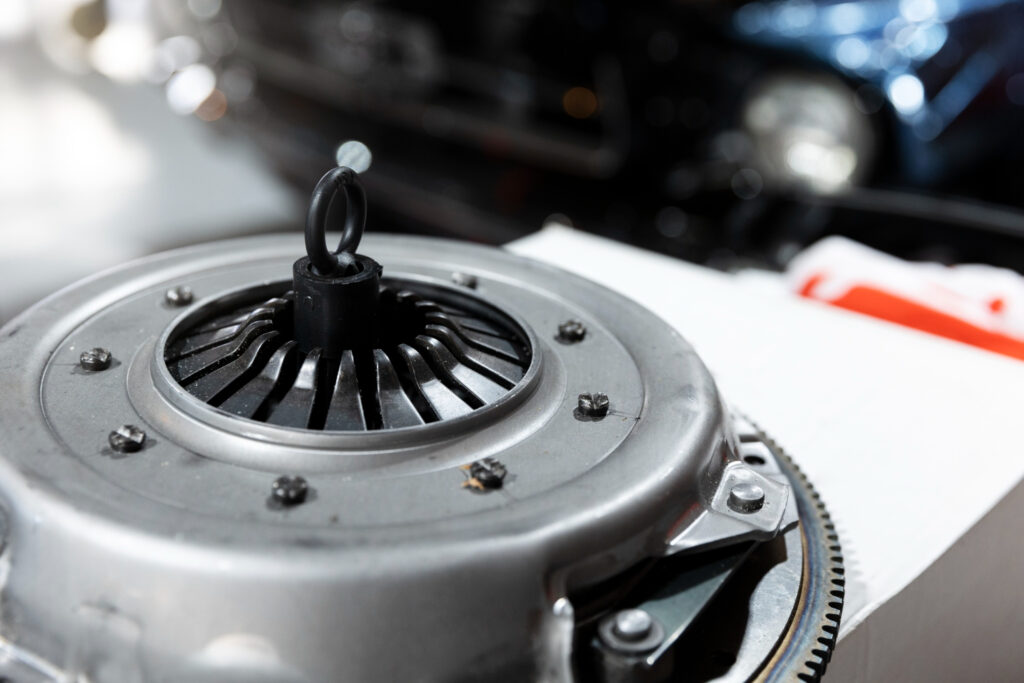
What Affects Clutch Replacement Frequency in Cars?
The frequency at which a clutch needs replacement is not tied to a single mileage figure, but to a combination of mechanical behavior, operating conditions, and usage patterns. A clutch is a friction-based system that wears gradually over time, much like brake pads or tires, because material is slowly lost through repeated heat and friction during normal driving.
From a technical perspective, wear is linked to the frictional work produced during each engagement cycle. Research indicates that wear rates are influenced by factors such as temperature at the contact surfaces, the amount of torque applied, and how often and how long the piece remains partially engaged. These variables help explain why some clutches last well beyond 100,000 kilometers, while others wear out much sooner.
Main influences on its replacement frequency include the intensity and frequency of use, the forces and heat generated during operation, and the design and materials of the components. Because these factors vary widely between vehicles, drivers, and driving conditions, there is no universal replacement interval. As a result, its life is better understood in terms of wear and operating conditions rather than a fixed mileage number, with attention paid to performance changes that signal increasing wear.
Evaluating Driving Habits and Vehicle Usage
How a vehicle is driven plays a major role in how quickly a clutch wears out. Everyday actions behind the wheel determine how often the clutch engages and how much friction and heat it must handle over time.
Driving style and use directly affect lifespan:
- Manual ones rely on friction, so every gear change or start from a stop causes gradual wear
- Frequent partial engagement increases wear because it is constantly slipping
- Aggressive driving behaviors, such as high-RPM starts, hard launches, and abrupt shifts, generate more heat and friction
- Smooth, controlled inputs and gentle gear changes help preserve its surfaces
Vehicle usage and driving conditions also influence wear rates:
- City and stop-and-go driving result in far more clutch engagement cycles than highway cruising
- Highway driving with steady speeds places less repeated stress on the piece
- Heavy loads, including towing or carrying full cargo or passengers, require the piece to transmit more torque, accelerating wear
Inspecting Clutch Wear and Performance
Regular inspection and performance monitoring are essential for estimating when it may need replacement. Unlike components with a fixed service interval, condition is evaluated based on visible wear and operating symptoms, rather than mileage alone.
Visual and Mechanical Inspections
During inspection, technicians look for physical wear on the friction material, including thinning beyond manufacturer tolerances, glazing, or weakened or compromised springs. Wear that exceeds minimal limits typically indicates the need for replacement to prevent further damage to the flywheel or transmission. While most detailed inspections require transmission removal, on-road performance checks, such as observing clutch slippage under acceleration, can help identify issues earlier.
Performance Symptoms to Watch For
As wear progresses, drivers may notice clear changes in performance, including:
- Clutch slippage, where engine speed increases without a matching gain in vehicle speed
- Difficulty shifting gears, particularly when engaging first or reverse
- A burning smell after heavy use, indicating overheating and material breakdown
These symptoms usually signal that the clutch friction material is approaching the end of its usable life. Identifying them early through attentive driving and periodic checks helps reduce the risk of secondary damage to other drivetrain components.
Considering Vehicle Type and Manufacturer Guidelines
The type of vehicle and the manufacturer’s recommendations are important factors when evaluating longevity and replacement timing. Different vehicle designs place varying levels of stress on the system, which directly affects how quickly wear occurs.
- Vehicle Design and Powertrain Stress
Not all clutches operate under the same conditions. High-torque engines, such as those found in diesel or performance vehicles, transmit greater power through the clutch, which can lead to faster wear under similar driving habits.
Likewise, heavy commercial vehicles and trucks that regularly haul loads operate under higher torque demands at low speeds, often shortening its life compared to lighter passenger cars. While manufacturers usually include inspection or maintenance guidance in service manuals, these are general and conservative recommendations, not fixed replacement deadlines.
- OEM vs. Aftermarket and Component Quality
The quality of the components also plays a role in how long a clutch lasts. Factors such as material choice, design, and manufacturing standards influence durability. Higher-quality, OEM-level parts are generally better at handling repeated engagement cycles and resisting heat, which can help extend replacement intervals compared to lower-grade alternatives.
Monitoring Signs of Slipping or Difficulty Shifting
Recognizing early performance signs of wear is essential to preventing sudden failures and avoiding costly repairs. Two of the most common indicators of developing problems areslipping and difficulty shifting, both of which suggest the piece is no longer operating efficiently.
Clutch slipping occurs when the friction material cannot maintain proper grip between the engine’s flywheel and the transmission input. Drivers typically notice the engine revving faster without a matching increase in vehicle speed, especially during acceleration or under load. This behavior indicates deteriorated or contaminated friction surfaces and is a strong sign that the piece is approaching the end of its service life.
Difficulty shifting often develops as it wears and fails to fully disengage. This can cause resistance when changing gears, grinding noises, or hesitation when engaging first or reverse. If ignored, these issues can place stress on transmission components, making timely inspection and response critical to preserving the overall drivetrain.
Key Takeaways
- Replacement depends on wear, not mileage alone
Its life is not defined by a fixed mileage interval. Wear is driven by friction, heat, torque, and engagement patterns. This explains why its lifespan varies widely between vehicles and drivers. - Driving habits strongly influence longevity
Frequent use, partial engagement, and aggressive driving increase wear. City driving and stop-and-go traffic create more engagement cycles. Smooth driving and steady conditions help extend life. - Vehicle type and component quality matter
High-torque engines and heavy vehicles place greater stress on the piece. Manufacturer guidelines offer general inspection advice, not strict timelines. Higher-quality clutch components can last longer under similar conditions. - Inspection and performance monitoring are essential
Clutch condition is evaluated through wear indicators and driving symptoms. Technicians look for thinning friction material, glazing, or damaged springs. On-road checks can help identify problems before major failure occurs. - Early warning signs signal approaching replacement
Common symptoms include slipping, difficulty shifting, and burning smells. These indicate deteriorating friction material and reduced performance. Addressing signs early helps prevent damage to other drivetrain components.
FAQs:
How long does a clutch usually last?
There’s no fixed lifespan. It can last well over 100,000 km or wear out much sooner, depending on driving habits, vehicle type, and operating conditions.
How do I know if my clutch needs replacing?
Common signs include slipping, difficulty shifting gears (especially first or reverse), and a burning smell after heavy use.
How expensive is a clutch replacement?
Cost varies widely because it depends on the vehicle design, labor time, and parts quality. There is no single standard price.
How quickly can a clutch burn out?
It can wear out quickly under aggressive driving, frequent partial engagement, heavy loads, or stop-and-go traffic, even if mileage is relatively low.
How can I test my clutch?
On-road checks such as noticing slipping during acceleration or difficulty shifting can indicate problems, though full inspection usually requires professional evaluation.
You May Also Like:
What Causes the Clutch to Slip or Not Engage Properly?
What Are the Signs That My Clutch Is Failing?
How Do Clutch Plates Work in Your Car?
Reviewed by Carlos Jimenez – Mechanic