
How Long Does It Take to Fix a Crashed Car? Complete Guide and Timeline
After an accident, one question quickly takes over: how long does it take to fix a crashed car? The answer isn’t as straightforward as most drivers expect. From hidden structural damage to parts availability and repair approvals, several behind-the-scenes factors can quietly extend the timeline. Comprehending them now can save frustration later.
Quick Auto Crash Box Repair in Brooklyn.
TL;DR:
The time to fix a crashed car varies widely and depends on damage severity, parts availability, insurance approvals, shop workload, and vehicle complexity. The process includes detailed damage assessment, parts ordering, mechanical and body repairs, quality checks, and final inspections. Minor repairs may take days, while extensive structural damage and repainting can take several weeks or longer.
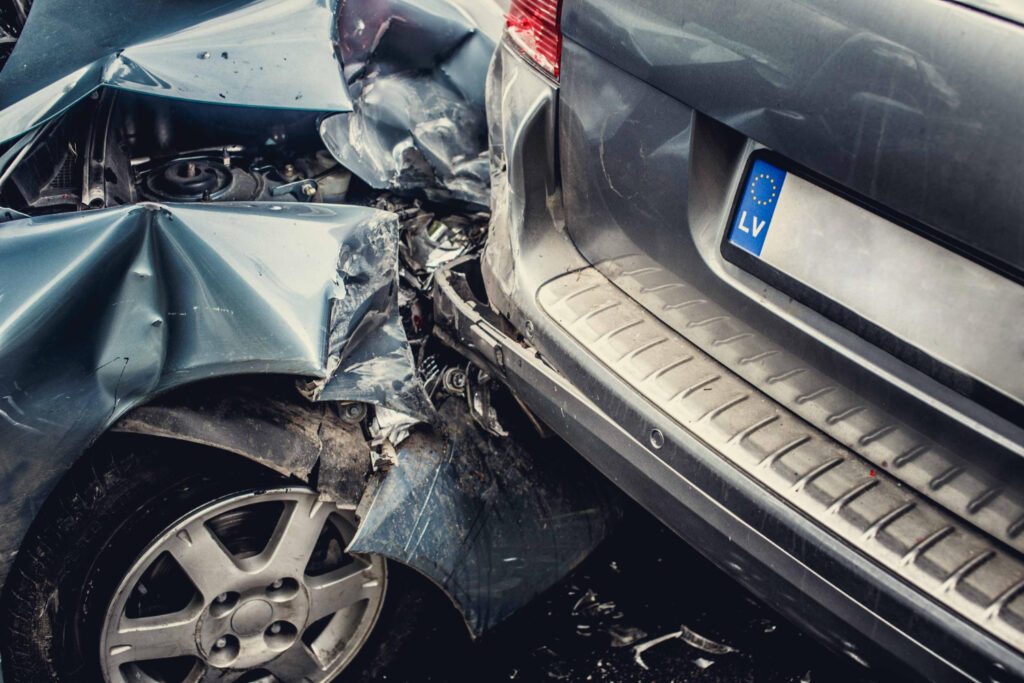
What Affects Car Repair Time After a Crash?
The time it takes to repair a vehicle after a crash depends on multiple interacting factors, rather than a single fixed timeline. At the most basic level, damage severity plays the largest role. Minor cosmetic issues, such as small dents or scratches, can often be repaired relatively quickly, while structural or mechanical damage typically requires more extensive work and can take weeks to complete.
Another major influence is parts availability. When replacement parts are in stock, repairs can begin sooner. Nevertheless, delays in parts delivery are one of the most common reasons repair timelines are extended, especially when specific components are not immediately available.
Insurance processes can also affect how quickly repairs move forward. Claim reviews, damage assessments, and authorization approvals may add days or even weeks before work can officially begin. Additionally, shop workload and capacity matter, busy repair facilities or periods of high demand can result in longer wait times before repairs start.
Finally, vehicle complexity plays a role. Modern vehicles equipped with advanced electronics, safety systems, and specialized materials often require additional diagnostics and more precise repair procedures. Combined, these factors explain why post-crash repair times can range from a few days to several weeks or longer, depending on the situation.
Assessing Damage and Creating a Repair Plan
After an accident, the first major step is a comprehensive assessment of the vehicle’s condition. This process goes far beyond visible dents or scratches and focuses on identifying both visible and hidden damage to critical systems. Technicians evaluate areas such as the frame, suspension, body panels, and safety components to accurately determine repair needs, required parts, labor hours, and costs.
Why this step matters:
- Hidden damage: Structural or mechanical issues may only appear once disassembly begins, potentially expanding the repair scope and timeline
- Insurance coordination: The repair estimate created during this phase is typically submitted for approval before work can start, which can affect scheduling
Once the assessment is complete, the repair shop creates a detailed repair plan. This plan prioritizes safety-related repairs first, followed by cosmetic restoration, and serves as a clear roadmap for completing the remaining work efficiently and safely.
Ordering Necessary Parts and Materials
Once the repair plan is complete and insurance authorization is obtained when required, attention turns to ordering the parts and materials needed for the repair. Parts availability is one of the most influential factors in determining how quickly repairs can move forward.
The timeline can vary depending on the type of components required:
- Common, regularly stocked parts may arrive within a few days, allowing repairs to begin sooner
- Specialized, OEM, or hard-to-find parts, particularly for luxury or older vehicles, may take weeks due to manufacturer lead times and supply chain limitations
Repair shops often schedule work based on expected parts delivery dates to keep technicians productive. While this approach improves workflow efficiency, it also means that any delay in parts delivery directly extends the overall repair timeline.
Performing Mechanical and Body Repairs
This phase represents the core hands-on work of restoring the vehicle and is often the longest part of the repair timeline. During this stage, technicians carry out the physical repairs outlined in the repair plan, addressing both structural integrity and visible damage.
Repair tasks can include structural repair and frame alignment, where high-precision equipment is used to correct any twisting or bending of the frame or unibody. Body panel repair or replacement may also be required, involving doors, fenders, bumpers, or other damaged panels that are either repaired or fully replaced depending on their condition.
In addition, technicians perform mechanical system restoration, inspecting and repairing components such as suspension parts, steering linkages, engine mounts, and safety-related systems as needed. The process often concludes with paint preparation and application, which includes color matching and curing time to ensure a consistent and durable finish.
The time required for this stage varies widely. Minor repairs, such as a single panel replacement and paint blending, may take only a few days, while extensive structural repairs and full repainting can extend the process to several weeks.
Conducting Quality Checks and Adjustments
Once mechanical and body repairs are completed, the vehicle enters a quality review phase. This step ensures that all work meets required standards for safety, functionality, and appearance before the vehicle is fully reassembled and returned.
Quality checks include:
- Alignment and calibration: Wheels, steering, and advanced driver assistance systems such as sensors and cameras are aligned and recalibrated to manufacturer specifications
- Functional testing: Critical systems like brakes, lights, electrical components, and safety features are tested to confirm proper operation
- Paint and finish inspection: Technicians review paint consistency, panel gaps, and overall finish quality to ensure uniform results
Thorough quality control during this stage is essential not only for safety but also to prevent future callbacks or warranty issues, which can be more costly than addressing concerns during the initial repair.
Completing Final Inspections and Returning the Car
In the final stage of the repair process, the vehicle undergoes a thorough final inspection before it is cleared for release. This step often includes a walk-around review with the vehicle owner to confirm that all work has been completed according to the repair plan.
During this phase, technicians perform final system checks to verify that every repair meets the required specifications. The repair shop also provides documentation and an owner briefing, explaining any repaired or newly installed systems so the owner understands the work performed.
The process concludes with vehicle delivery and hand-off. The car is washed, detailed, and prepared for pickup, ensuring it is returned in fully restored condition. In some cases, shops may also offer post-delivery support or a warranty period to address any concerns that arise after the vehicle is back on the road.
Key Takeaways
- Car repair time after a crash varies widely
There is no single timeline for fixing a crashed car. Repair duration depends on damage severity, parts availability, insurance approvals, and shop capacity. Repairs can range from a few days to several weeks or more. - Thorough damage assessment sets the repair timeline
Technicians evaluate both visible and hidden damage to critical systems. This step determines repair scope, costs, labor hours, and parts needs. Insurance approval during this phase can also affect when repairs begin. - Parts availability is a major source of delays
Common parts may arrive quickly, allowing repairs to start sooner. Specialized or OEM components can take weeks due to supply constraints. Any delay in parts delivery directly extends the overall repair schedule. - Mechanical and body repairs take the most time
This stage includes structural repairs, body panel work, mechanical fixes, and painting. Minor cosmetic repairs may take days, while major structural work can take weeks. The complexity of the damage largely determines this phase’s length. - Quality checks and final inspections ensure safe delivery
Vehicles undergo alignment, calibration, functional testing, and finish inspections. A final review and owner briefing confirm repairs were completed correctly. This process ensures the vehicle is safe, functional, and fully restored before return.
FAQs:
How long does it take for a car to be repaired?
Car repair time can range from a few days to several weeks or longer, depending on damage severity, parts availability, insurance approvals, shop workload, and vehicle complexity.
How long is too long for a car to be in the body shop?
There is no universal timeframe. Extended stays are often reasonable when repairs involve structural damage, delayed parts, or insurance authorization, especially on complex vehicles.
How long does it take to repair the body of a car?
Minor body repairs, such as small panel fixes and paint blending, may take a few days, while major structural repairs and repainting can take several weeks.
Why is my car taking so long at the body shop?
Common reasons include waiting for parts, insurance approval delays, heavy shop workload, hidden damage discovered during repairs, or the complexity of modern vehicle systems.
You May Also Like.
What Is a Crash Box in a Car? Functions Explained
Crash Box and Transmissions: What You Need to Know
How Long Does It Take to Repair Car Body Damage?
Reviewed by Carlos Jimenez – Mechanic