
What Is Engine Cooling System in Car and How It Works
Your engine generates intense heat every time you drive, but what keeps it from overheating and failing? Most drivers rarely think about it until warning lights appear or steam rises from under the hood. If you’ve ever wondered what is engine cooling system in car, comprehending how it works reveals the hidden process that protects your engine and keeps your vehicle running smoothly.
Fast radiator repair in Brooklyn available
TL;DR:
A car engine cooling system uses a closed loop of coolant circulation to remove excess high temperature and keep the motor at a safe temperature. It absorbs heat from the engine, releases it in the radiator with the help of airflow, and is continuously circulated by the water pump, while the thermostat regulates flow to maintain stable and efficient operation.
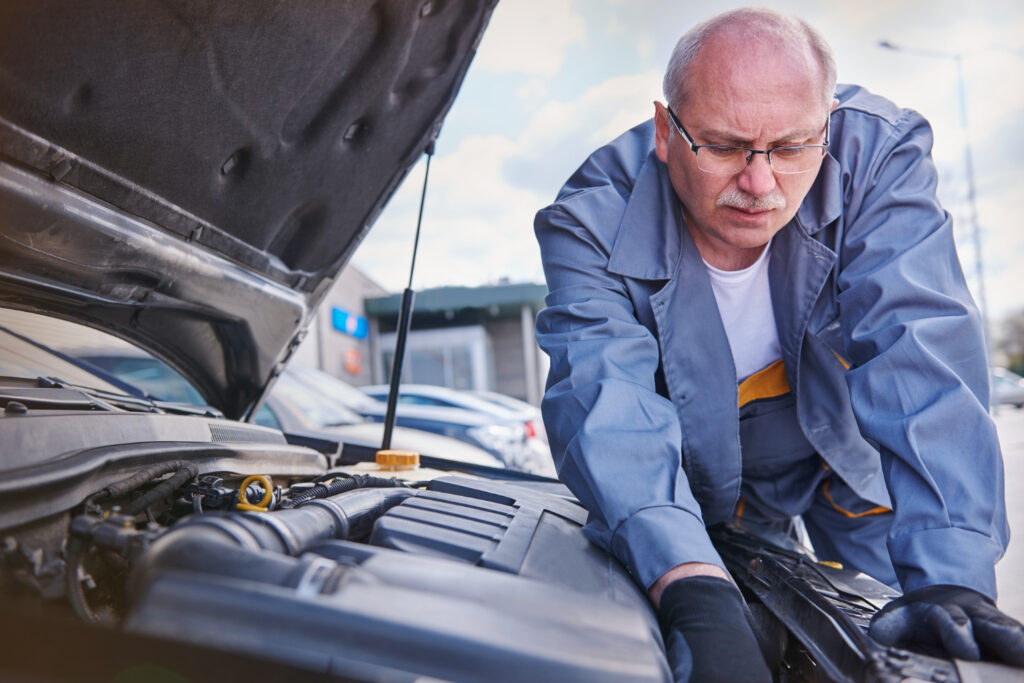
How does a Car Engine Cooling System work?
A car engine cooling system is designed to remove excess heat generated during combustion and keep the motor operating within a safe temperature range. Since internal combustion engines produce significant heat, the system uses a closed loop of liquid coolant circulation to regulate temperature.
The coolant absorbs heat from the motor, carries it to the radiator where it is cooled, and then recirculates to repeat the process. This continuous cycle is supported by essential components such as the radiator, water pump, thermostat, hoses, and cooling fan.
Coolant Curates Through the Engine to Absorb Heat
The cooling process begins with refrigerant flowing through internal passages called water jackets, located within the engine block and cylinder head. These channels surround the hottest components, allowing the coolant to directly absorb heat produced during combustion.
Functions of refrigerant at this stage include:
- Absorbing high temperature from motor metal surfaces
- Preventing localized overheating in critical areas
- Maintaining stable internal temperatures
It is typically a mixture of water and antifreeze, designed to increase boiling point, resist freezing, and reduce corrosion, making it more effective than plain water for long-term use.
Heated Coolant Moves to the Radiator for Temperature Reduction
After absorbing heat, the coolant is directed toward the radiator, where the cooling process continues. The radiator acts as a heat exchanger that prepares the hot coolant to release the high temperature it has collected.
Inside the radiator:
| Feature | Function |
| Thin tubes | Carry hot refrigerant through the system |
| Increased surface area | Allows faster heat transfer |
| Flow design | Ensures even distribution of refrigerant |
This structure allows the coolant to spread out and release heat efficiently before returning to the motor.
Airflow Across the Radiator Dissipates Heat from the Coolant
The radiator relies on airflow to remove heat from the coolant. As air passes across the radiator fins, it draws high temperature away from the refrigerant through a process of convection.
This cooling process depends on:
- Vehicle movement, which naturally pushes air through the radiator
- Cooling fans, which maintain airflow when the vehicle is stationary or moving slowly
- Radiator fin design, which increases heat dissipation efficiency
Consistent airflow ensures that the refrigerant is cooled effectively before it cycles back into the engine.
Water Pump Maintains Continuous Coolant Movement
The water pump is responsible for keeping coolant moving through the entire system. It creates the pressure needed to push refrigerant through hoses, engine passages, and the radiator, ensuring a continuous cooling cycle.
Its main roles include:
- Circulating coolant from the radiator back into the motor
- Maintaining steady flow to prevent heat buildup
- Supporting consistent high temperature transfer throughout the system
Without this continuous movement, the cooling system would not be able to regulate engine temperature effectively.
Thermostat Regulates Coolant Flow Based on Engine Temperature
The thermostat functions as a temperature-controlled valve that manages when coolant flows to the radiator. When the engine is cold, the thermostat remains closed, allowing refrigerant to circulate only within the motor. This helps reach its optimal operating temperature more quickly.
As the motor warms up, the thermostat gradually opens, allowing refrigerant to flow into the radiator for cooling. This controlled regulation ensures the motor does not overheat or run too cold. Modern thermostats often use materials that respond to high temperature changes, automatically adjusting the flow of refrigerant based on temperature conditions.
Key Takeaways.
- The engine cooling system prevents overheating and maintains safe operation.
It removes excess high temperature generated during combustion and keeps the motor within an optimal temperature range. This process is essential for engine performance, durability, and safe vehicle operation. - Cooling works through a continuous coolant circulation cycle.
Coolant absorbs heat from the motor, moves to the radiator to release it, and then recirculates. Essential components like the radiator, water pump, and thermostat support this closed-loop system. - Coolant absorbs heat and protects engine components.
Flowing through water jackets, it removes heat from critical areas. Its chemical composition helps prevent freezing, boiling, and corrosion. - The radiator and airflow remove heat from the coolant.
The radiator’s design increases surface area for efficient heat transfer. Airflow from movement or fans helps dissipate heat and cool the liquid. - The water pump and thermostat regulate flow and temperature.
The water pump ensures constant coolant circulation throughout the system. The thermostat controls when refrigerant flows to the radiator, maintaining stable temperature.
FAQs:
What does engine cooling system mean?
An engine cooling system is a system that removes excess high temperature from the motor using circulating coolant. It helps maintain a safe operating temperature and prevents overheating.
Why does my car keep overheating?
Overheating can occur when the cooling system is not properly removing heat. This may happen if coolant is not circulating effectively or if heat is not being dissipated through the radiator.
Is an engine cooling system important or serious?
Yes, it is essential. The cooling system removes excess heat and keeps the motor within a safe temperature range, preventing overheating, component damage, and loss of performance.
How do I know if the engine cooling system is working?
It is working properly if it maintains a stable engine temperature without overheating. The refrigerant should circulate continuously, and the radiator, water pump, and thermostat should regulate heat effectively.
You May Also Like:
How Engine Cooling System Works to Prevent Overheating
Why Is My Engine Cooling System Light On? Causes & Fixes
How Much Does Engine Cooling System Repair Cost?