
How Long Can a Brand New Car Battery Sit Unused Before Issues?
You just bought a brand-new car battery, but what happens if it sits unused for weeks, or even months? Many drivers assume a new battery will stay ready indefinitely, but that’s not always the case. If you’ve been wondering how long can a brand new car battery sit unused?, the answer depends on factors most people overlook, and they can impact performance sooner than expected.
Safe replacement from car battery replacement in Brooklyn.
TL;DR:
A new car battery can degrade even when unused due to self-discharge and calendar aging, losing charge within weeks and potentially suffering damage after months. Factors like temperature, storage conditions, and charge level affect how quickly it deteriorates. Proper storage, periodic checks, and testing before use are essential to maintain performance and prevent early failure.
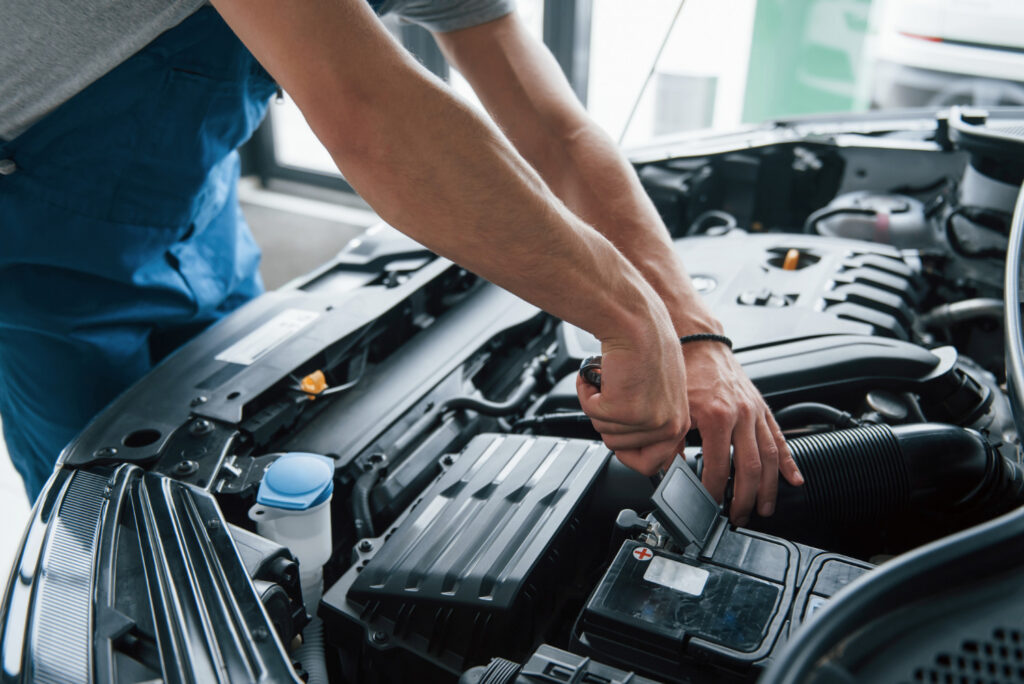
What Happens if a New Car Battery Sits Unused Too Long?
When a new car battery sits unused for an extended period, it does not remain in the same condition. Instead, it begins to degrade through calendar aging, a process where internal chemical reactions gradually reduce its ability to hold and deliver charge.
Even without being connected to a vehicle, batteries naturally self-discharge, meaning they lose stored energy over time. In many cases, noticeable charge loss can occur within a few weeks, and the battery may become partially or fully discharged after a couple of months.
Prolonged inactivity can also lead to deeper internal changes, such as increased internal resistance, reduced capacity, and potential irreversible damage if the voltage drops too low. Research shows that even without active use, storage alone can cause permanent capacity loss and reduced efficiency. These changes can make it less reliable when it is finally used.
Recognizing How Batteries Lose Charge Over Time
All batteries experience self-discharge, driven by internal chemical reactions that continue even when the battery is disconnected. Over time, this leads to a gradual loss of stored energy and reduced performance.
Main points include:
- Charge can drop noticeably within 4–6 weeks depending on conditions
- Internal reactions continue regardless of usage
- Low voltage levels can lead to permanent damage
- Longer storage increases internal resistance, reducing power delivery
These effects are linked to ongoing electrochemical reactions that slowly consume active materials inside it.
Observing Effects of Temperature and Storage Conditions
Temperature and storage conditions play a major role in how quickly a battery degrades. Improper conditions can significantly accelerate the aging process.
Important factors include:
- High temperatures increase chemical activity and speed up degradation
- Very low temperatures can reduce performance and stability
- Ideal storage is in cool, moderate conditions (~15°C)
- Batteries stored at very high or very low charge levels degrade faster
Research shows that heat combined with high charge levels can accelerate aging, making proper storage essential.
Identifying Signs of Battery Deterioration
A battery that has been unused for too long may show several warning signs that indicate declining performance.
Common signs include:
- Difficulty holding a charge
- Voltage dropping below normal levels (around 12.2V or lower)
- Slow engine cranking or failure to start
- Increased need for frequent recharging
Internally, deterioration includes loss of active materials and increased resistance, which reduces efficiency and reliability over time.
Taking Steps to Maintain Charge and Health
Proper storage and maintenance can help slow degradation and extend its life during periods of inactivity.
Recommended practices:
- Store the it in a cool, dry environment
- Keep it at a moderate charge level, avoiding full discharge or overcharging
- Check voltage periodically
- Recharge before it reaches damaging low levels
Even simple actions like occasional use or maintenance charging can help prevent deep discharge and preserve performance.
Testing and Activating Batteries Before Use
Before using it that has been sitting unused, it is important to check its condition to ensure reliable performance. One of the first steps is to measure the voltage, as a healthy battery should typically read around 12.6V when fully charged. If the voltage is lower, it should be recharged using a proper charger to restore safe charge levels.
It is also recommended to perform a load test to verify whether the it can deliver power under real conditions. In addition, a visual inspection should be carried out to check for signs of swelling, corrosion, or leakage. Even if it appears to charge normally, internal degradation may reduce its ability to perform effectively, which can lead to failure when the battery is placed under load.
Key Takeaways.
- Unused batteries degrade over time due to internal chemical reactions.
Even when not connected, batteries undergo calendar aging and self-discharge. This leads to reduced charge, capacity loss, and possible permanent damage. - Self-discharge gradually reduces battery performance.
Batteries can lose noticeable charge within 4–6 weeks and continue degrading over time. Low voltage and prolonged storage increase internal resistance and reduce power delivery. - Temperature and storage conditions strongly affect battery lifespan.
High temperatures accelerate degradation, while extreme cold impacts performance. Storing batteries in cool, moderate conditions with proper charge levels slows aging. - Signs of deterioration indicate reduced reliability.
Common symptoms include difficulty holding a charge, low voltage, and slow engine starting. Internal damage, such as increased resistance and material loss, reduces efficiency. - Proper maintenance and testing help preserve its health.
Regular voltage checks, recharging, and correct storage conditions prevent deep discharge. Before use, testing voltage and performing load checks ensures the battery can operate reliably.
FAQs:
How long can a new car battery sit on a shelf?
A new car battery can begin losing charge within a few weeks and may become partially or fully discharged after a couple of months if left unused without maintenance.
Can a car battery still be good after sitting for a year?
It may still function, but long storage can cause capacity loss, increased internal resistance, and reduced reliability, especially without proper maintenance or charging.
Can a new battery go bad from sitting?
Yes, a new battery can degrade over time due to self-discharge and internal chemical reactions, which may lead to permanent damage if the voltage drops too low.
How long does a brand new car battery last if not used?
Without use or maintenance, performance can decline within weeks to months, as the battery gradually loses charge and may deteriorate over time.
You May also Like:
How Much Does a Car Battery Replacement Cost? Typical Prices
Can a Dead Car Battery Be Recharged or Need Replacement?
How Long Does a Car Battery Replacement Take?