
How Car Suspension System Works in Modern Vehicles
Most drivers enjoy a smooth ride without ever thinking about what makes it possible. Beneath every vehicle is a system constantly absorbing bumps, controlling movement, and keeping the tires firmly on the road. But how does it all work together? comprehending how a car suspension system works reveals the hidden engineering that keeps modern vehicles stable, comfortable, and safe
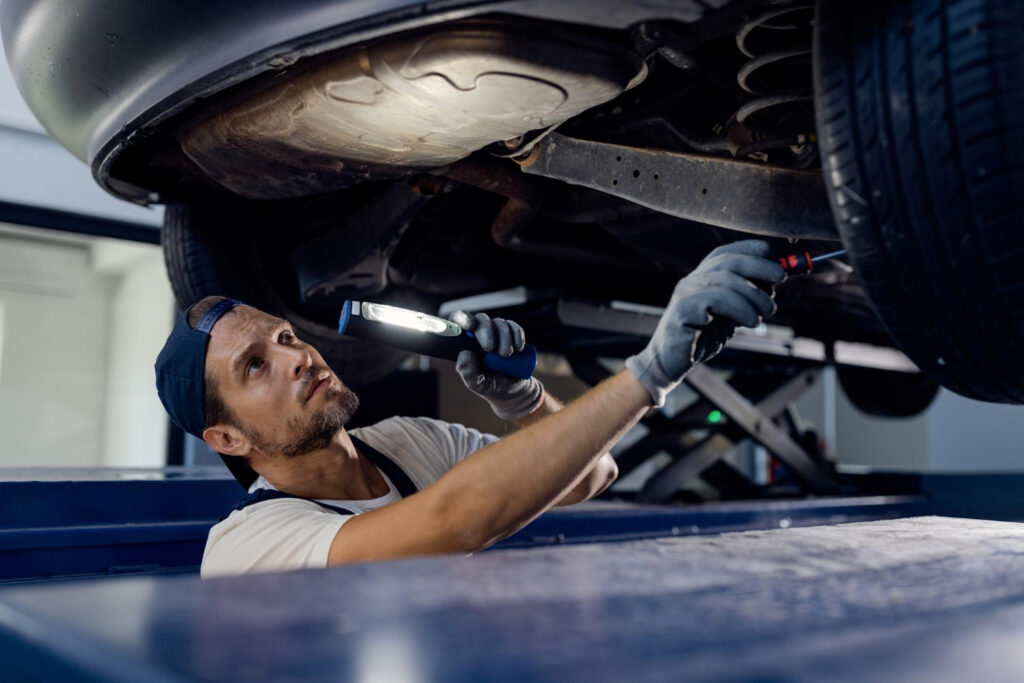
Suspension maintenance with shock absorbers center service in Brooklyn.
TL;DR:
A car suspension system connects the wheels to the chassis and controls how the vehicle interacts with the road. Components like springs, shock absorbers, control arms, and anti-roll bars absorb impacts, regulate movement, and maintain wheel alignment. Together, they keep tires in contact with the road, improving comfort, stability, traction, and overall driving safety.
What Is a Car Suspension System and Why Is It Important?
A car suspension system is a group of mechanical components that connects the vehicle’s wheels to the chassis and allows controlled movement between them. Its main purpose is to manage the interaction between the vehicle and the road surface, improving stability, comfort, and safety while driving. The system typically includes parts such as springs, shock absorbers, control arms, and linkages that work together to support the vehicle’s weight and absorb road irregularities.
The suspension system supports the weight of the vehicle body, engine, passengers, and cargo while allowing the wheels to move vertically when encountering bumps or uneven terrain. This movement helps reduce road vibrations reaching the cabin and improves ride comfort. At the same time, it helps maintain tire contact with the road, which is essential for proper steering, braking, and overall vehicle control.
Modern suspension designs aim to balance ride comfort and vehicle handling. If the suspension is too soft, the vehicle may sway during turns, while a very stiff system can transmit stronger vibrations from the road. Because of its role in maintaining tire alignment and road contact, the suspension system is critical for vehicle performance and driving stability.
Energy Absorption Through Coil Springs and Leaf Springs
Springs are the main energy-absorbing components of a suspension system. When a vehicle encounters bumps or dips in the road, the wheels move relative to the chassis and the springs compress or expand to absorb the impact. This process helps prevent the force from transferring directly to the vehicle body and contributes to a smoother ride.
Two common types of springs used in suspensions are coil springs and leaf springs. Coil springs are made from a steel rod wound into a helix that compresses under load and stores mechanical energy, then releases it as the spring returns to its original shape. Leaf springs consist of several stacked metal strips called leaves, which distribute loads across a wider surface and provide strong support for heavier vehicles such as trucks or cargo vans. In both designs, springs temporarily store and release energy created by road irregularities.
Kinetic Dampening via Hydraulic Shock Absorbers
While springs absorb the initial impact, shock absorbers control how that energy is released and prevent continuous bouncing.
- Control spring movement: They prevent repeated bouncing after the spring compresses and rebounds.
- Hydraulic resistance: A piston moves through hydraulic fluid inside a sealed cylinder, creating resistance.
- Energy conversion: Kinetic energy from suspension movement is converted into heat energy.
- Improved stability: This process reduces vibrations and helps maintain tire contact with the road.
By regulating suspension motion, shock absorbers help maintain vehicle stability, traction, and passenger comfort.
Wheel Alignment Maintenance Using Control Arms and Links
Control arms and suspension links guide wheel movement while maintaining correct alignment with the vehicle chassis. These components connect the wheel hub and steering knuckle to the frame, allowing the wheels to move up and down without affecting steering geometry.
When a vehicle drives over uneven surfaces, control arms act as hinged links that support the wheel assembly and keep it properly positioned. This helps maintain alignment angles such as camber and caster, ensuring the tires stay correctly positioned on the road. Proper alignment improves tire wear, steering stability, and braking performance, while damaged or misaligned components can make the vehicle harder to control.
Anti-Roll Bar Stabilization During Cornering
During turns, the vehicle body tends to lean toward the outside of the corner. This effect, known as body roll, happens because forces shift weight to the outer wheels. Anti-roll bars help reduce this leaning and improve stability.
Main functions of anti-roll bars include:
- Connecting the left and right suspension sides across an axle
- Twisting during turns to resist excessive body roll
- Balancing load between wheels during cornering
- Improving traction and steering control
By helping the vehicle remain more level during turns, anti-roll bars support better handling, stability, and driver confidence.
Final Force Distribution to the Tire Contact Patch
The main goal of the suspension system is to transfer forces from the vehicle and the road to the tire contact patch, the small area where the tire touches the ground. This is where traction, braking, and steering forces are applied during driving.
Through the coordinated action of springs, dampers, and linkages, the suspension controls wheel movement, absorbs shocks, and maintains alignment. This helps keep the tires in consistent contact with the road, even on uneven surfaces.
Maintaining this contact is critical because tire grip determines the vehicle’s ability to accelerate, steer, and stop safely. By regulating forces and motion, the suspension system helps support vehicle stability, control, and driving safety.
Key Takeaways.
- The suspension system connects the wheels to the vehicle and manages road interaction.
It supports the vehicle’s weight and allows controlled wheel movement over bumps or uneven terrain. This improves driving comfort, stability, and overall safety. - Springs absorb road impacts and help maintain ride height.
Coil springs and leaf springs compress and expand to store and release energy from road irregularities. This process reduces the force transferred to the vehicle body and helps create a smoother ride. - Shock absorbers control suspension movement and reduce bouncing.
They convert kinetic energy from spring motion into heat using hydraulic resistance. This stabilizes the vehicle, reduces vibrations, and helps maintain tire contact with the road. - Control arms and links maintain wheel alignment and steering stability.
These components guide vertical wheel movement while preserving alignment angles like camber and caster. Proper alignment improves tire wear, steering accuracy, and braking performance. - The suspension system ensures effective force transfer to the tire contact patch.
By regulating motion and load distribution, it keeps tires in consistent contact with the road. This contact is essential for traction, steering control, braking, and overall vehicle safety.
FAQs:
What are the 4 types of suspension systems?
Four common suspension spring types used in vehicles are coil springs, leaf springs, torsion bars, and air springs. Each type supports the vehicle’s weight and helps absorb shocks from uneven road surfaces.
What is the most common problem in a suspension system?
One common issue is worn suspension components, such as shock absorbers or linkages. When these parts wear out, the vehicle may bounce excessively, experience uneven tire wear, or have reduced steering stability.
What is the lifespan of a car suspension?
The lifespan of a suspension system varies depending on driving conditions and maintenance. Over time, components such as springs, shock absorbers, and links can wear out and may need inspection or replacement to maintain proper handling and stability.
How does 4X4 suspension work?
A 4X4 suspension works by allowing each wheel to move vertically over uneven terrain while maintaining tire contact with the ground. Components like springs, shock absorbers, and linkages absorb impacts and control movement to keep the vehicle stable and maintain traction.
You May Also Like:
How to Clean Car Suspension Parts? Best Methods
Mechanical Parts Repair: Finding Services for Your Car
What Happens if I Don’t Align and Balance My Wheels?